A Father’s Sins
Play A Father’s Sins
A Father’s Sins Screenshots

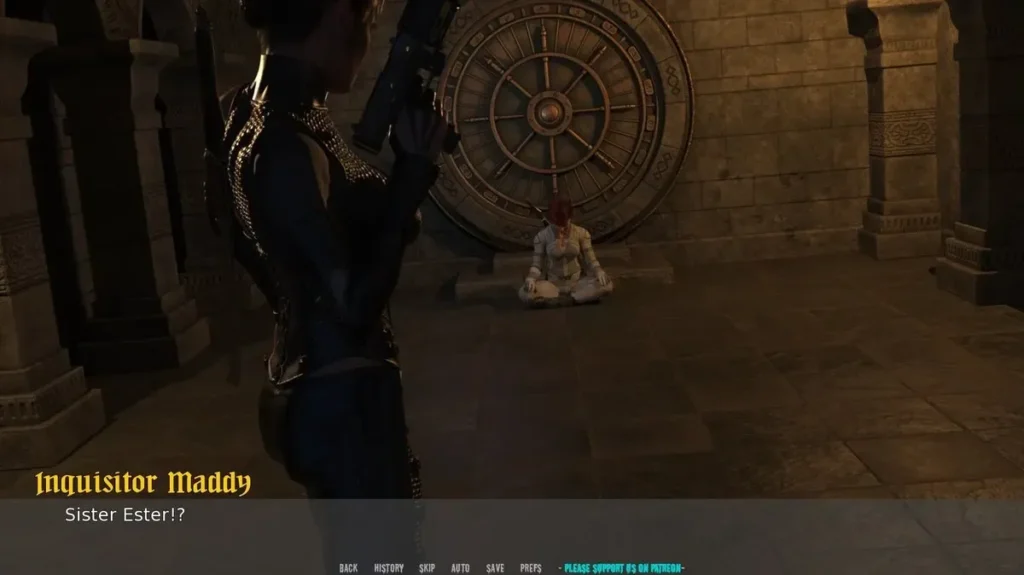


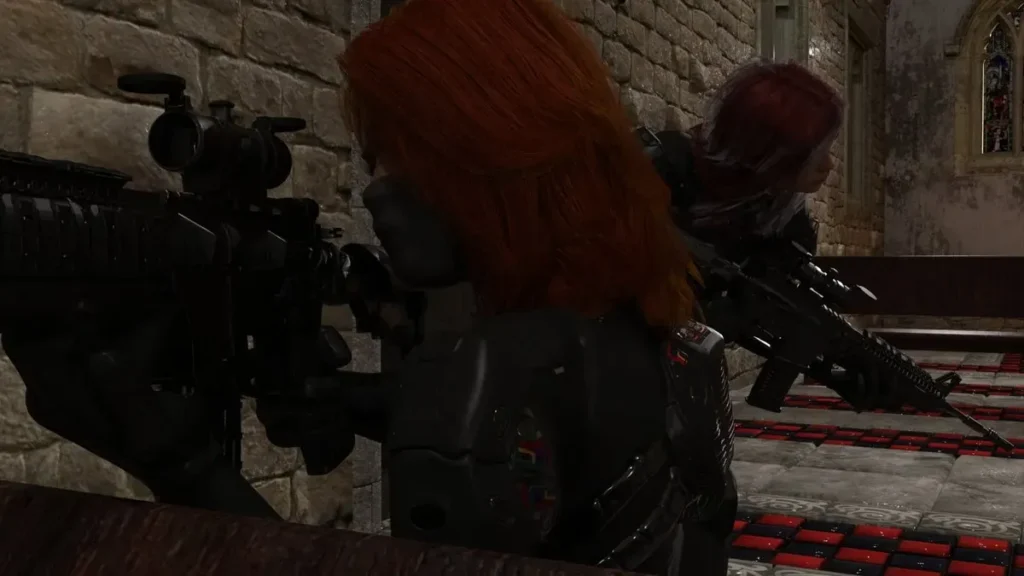
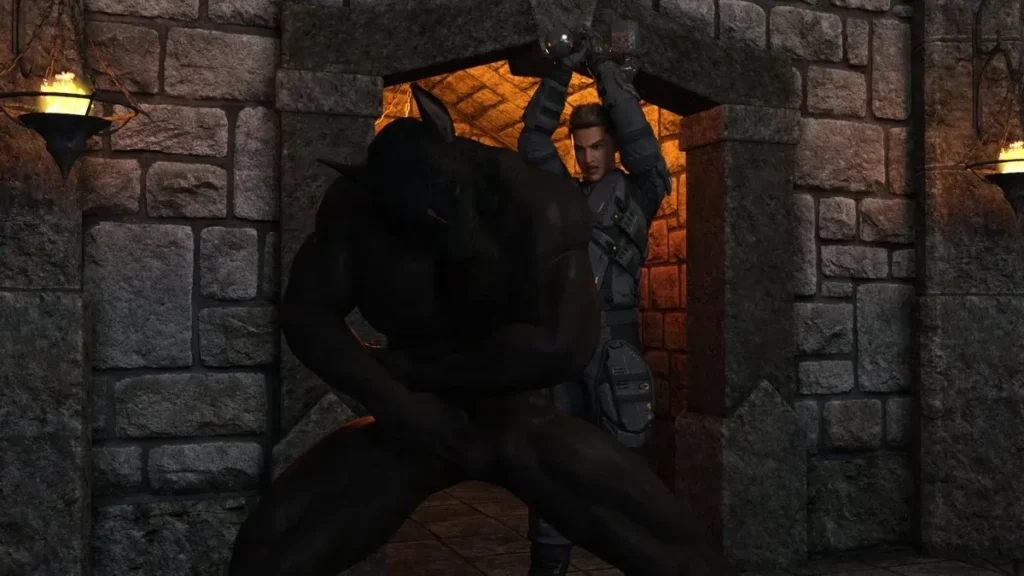
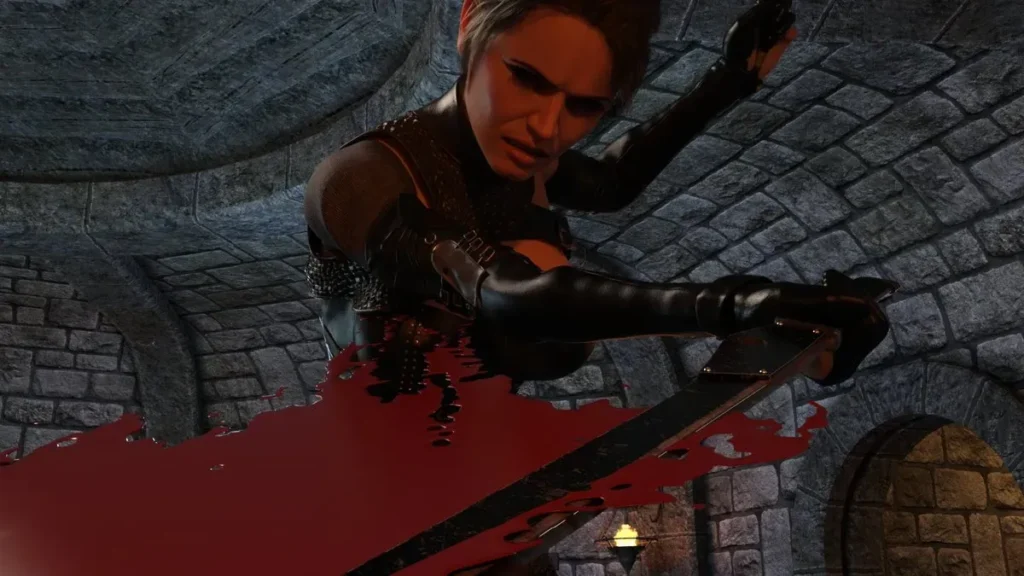

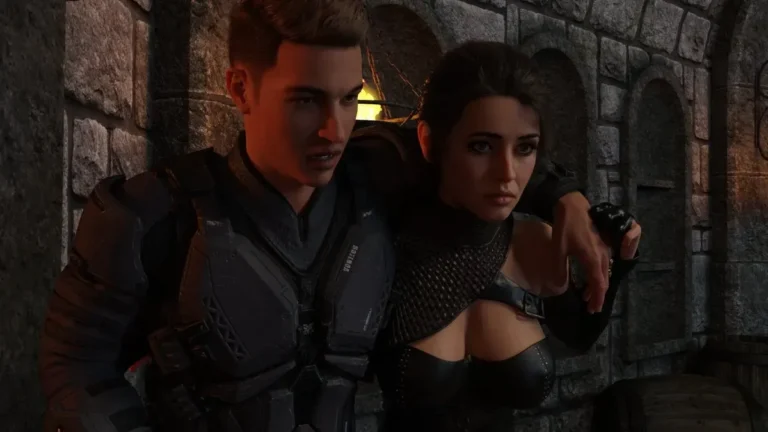
A Father’s Sins review
Dive into the gripping story, choices, and secrets of this captivating adult visual novel
Ever stumbled upon a game that pulls you into a web of family drama, tough choices, and steamy encounters? That’s ‘A Father’s Sins’ for you—a visual novel that had me hooked from the first scene. As an average guy thrust into supernatural chaos after a shocking murder, you battle ancient evil alongside warrior nuns while navigating corruption and trust paths with a cast of intriguing characters. I’ve spent hours exploring its branching storylines, and let me tell you, the decisions you make lead to wildly different outcomes. Whether you’re chasing the best endings or just curious about ‘A Father’s Sins’ gameplay, this guide breaks it all down with practical tips to maximize your playthrough.
What Makes A Father’s Sins a Must-Play?
I remember stumbling upon A Father’s Sins game late one night, expecting just another adult visual novel. A few hours later, I was completely hooked, my coffee cold and forgotten. What pulled me in wasn’t what I initially clicked for—it was a gripping story of ancient evil, a shocking murder, and a perfectly ordinary guy thrown into a secret war. If you’re wondering what is A Father’s Sins, let me tell you: it’s a masterclass in dark fantasy storytelling where your choices carve a path through corruption or redemption. 🕯️
This guide is your key to that world. We’ll dive into the A Father’s Sins story, break down the A Father’s Sins walkthrough strategies for the best endings, and explore what makes this experience so uniquely compelling. Whether you’re drawn to the dark allure of the corruption path A Father’s Sins is famous for or the challenging road of building trust, you’re in for a unforgettable journey.
Unpacking the Core Story and Supernatural Twist
At its heart, the A Father’s Sins story begins with a relatable premise: you play as an average guy whose life is upended by a brutal family murder. But here’s the supernatural twist—this act awakens a slumbering, ancient darkness in the city and, unexpectedly, a spark of magic within you. You’re not just seeking revenge; you’re recruited into a centuries-old conflict as a “Crusader for the Balance.”
This is where the A Father’s Sins game truly shines. You’re not an all-powerful hero from the start. You’re confused, underpowered, and guided by the enigmatic Order. And who are your allies in this fight against the void? The formidable warrior nuns A Father’s Sins introduces, like the stern Sister Elsa and the intense Sister Gina. These aren’t just background characters; they are your trainers, your companions, and potentially, the focus of your deepest relationships. Your journey intertwines with theirs as you investigate the spreading corruption, making the narrative deeply personal and immersive. 👥
Why Player Choices Define Your Journey?
If there’s one thing you take from this A Father’s Sins walkthrough, it’s this: every single choice matters. This isn’t a game where you just click through dialogue. It’s a complex narrative machine powered by three key point systems: Corruption (C), Trust (T), and Love (L).
Think of these points as the currency of your soul and your relationships. The game brilliantly structures your daily life around key decision hubs:
* The Street Hub: Your main action center. Will you spend time training with Gina to boost your combat stats, or sneak off to a corrupt club to gain Corruption points? Will you visit Molly at the cafe to build Trust, or pursue more selfish avenues?
* Family Dinners: These seemingly mundane moments with your family (like your sister Kyler) are critical. Your dialogue choices here can heal old wounds or create new fractures, impacting relationship points and steering the story’s emotional core.
The genius of A Father’s Sins is how it frames these paths. The corruption path A Father’s Sins offers is often framed as the “easier” road. It delivers more immediate, explicit content and power, but it fundamentally changes your character and your relationships, often for the worse. The path of Love and Trust is the “hard mode”—it requires patience, consistent kindness, and often saying no to tempting shortcuts. The rewards, however, are the game’s most fulfilling and emotionally resonant conclusions.
To see the stark difference, let’s look at a quick comparison:
| Path | Difficulty | Rewards | Key Choices | Endings |
|---|---|---|---|---|
| Corruption Path | Low (Easy Mode) | Immediate power, illicit scenes, dominance | Choosing selfish options, indulging in dark magic, using people | Darkly powerful, but often isolating (e.g., “Public Display” endings, dark thralls) |
| Love/Trust Path | High (Hard Mode) | Deep emotional connections, wholesome scenes, true partnerships | Being supportive, honest, and selfless; resisting dark temptations | Emotionally satisfying, “true” endings (e.g., committed relationships, saving souls) |
I learned this the hard way! In my first blind playthrough, I thought, “I’ll just get a little corrupt for fun.” I consistently chose the selfish, power-hungry options with Gina and Elsa. Fast forward, and I unlocked an ending where my character had become a monstrous figure, with his relationships twisted into something purely carnal and controlling—a far cry from the hero I imagined. My next playthrough, where I patiently built Trust with Molly and Love with Elsa, felt like a completely different, and far more rewarding, game. It proved that the best endings A Father’s Sins has to offer are earned, not given.
Companion Games Like Going to Hell Explained
Once you’ve experienced the deep, choice-driven narrative of A Father’s Sins, you might crave something with a similar vibe. This is where knowing about games in the same sphere helps. A frequent recommendation in community spaces like F95Zone for fans of this game is Going to Hell. 😈
Why the comparison? Both are adult visual novels that place a heavy emphasis on:
* Corruption Mechanics: Your choices actively shift the protagonist’s morality and the world around them.
* Branching Narrative: A single, overarching story that splinters dramatically based on your decisions.
* Supernatural/Dark Themes: They aren’t just romance sims; they’re set against backdrops of literal or metaphorical hellscapes and cosmic struggles.
Think of Going to Hell as a thematic cousin. While A Father’s Sins game focuses on a crusader battling an external ancient evil with warrior nuns, Going to Hell often involves a more personal descent into temptation and infernal pacts. They scratch a similar itch for players who want their choices to have weight, consequences, and mature themes. Exploring these “companion games” can greatly enhance your appreciation for the niche and the incredible storytelling it can produce.
Pro Tip from a Veteran Player: Don’t be afraid to use community repacks! They often include quality-of-life features like mods for point tracking or scene galleries. This lets you focus on the story and experiment with different paths to find all the best endings A Father’s Sins has hidden away.
Frequently Asked Questions (FAQ)
- How do points work in A Father’s Sins? The game uses three main scores: Corruption (C), gained from selfish/dark choices; Trust (T), earned through honesty and support; and Love (L), built with specific characters through romantic and dedicated actions. These points are checked at key moments to unlock different scenes and endings.
- What’s the street hub for? The street hub is your daily action menu. It’s where you choose how to spend your time, directly influencing your stats and relationships. Will you train, work, socialize, or pursue corrupt activities? This is where your path is chosen.
- How do I unlock the best endings? The “best” endings are subjective, but the most emotionally complete ones typically require high Love or Trust with a specific character (like Elsa, Gina, or Molly) and often low Corruption. Focus your choices consistently on one person, be patient, and avoid the quick, corrupt shortcuts.
- Can I balance the Corruption and Love paths? It’s very difficult and often leads to neutral or “failed” endings. The game is designed to push you toward a dominant alignment. For a true hybrid experience, you’ll need a detailed guide or multiple playthroughs.
- What’s the deal with the warrior nuns? Characters like Sister Elsa and Sister Gina are members of the Order, your guides in the war against darkness. Their routes are central to the A Father’s Sins story, offering complex relationships that can range from devout partnership to corrupted obsession based on your choices.
So, what makes A Father’s Sins a must-play? It’s the unparalleled way it makes you feel the weight of every decision. You’re not just watching a dark fantasy unfold; you’re architecting it, for better or worse. The pursuit of the best endings A Father’s Sins offers will have you replaying, experimenting, and completely absorbed in its world. It’s more than a game; it’s a compelling, addictive journey into the balance between light and shadow within us all.
There you have it—’A Father’s Sins’ isn’t just a game; it’s a thrilling ride through temptation, battles, and heartfelt connections that kept me replaying for days. From mastering corruption paths for quick thrills to grinding trust for those rewarding endings, every choice shapes your epic tale against ancient evil. My tip? Dive in with a fresh save and experiment—your perfect playthrough awaits. Grab the latest version, fire it up, and let the adventure unfold. What’s your first big decision going to be?