A House in the Rift
Play A House in the Rift
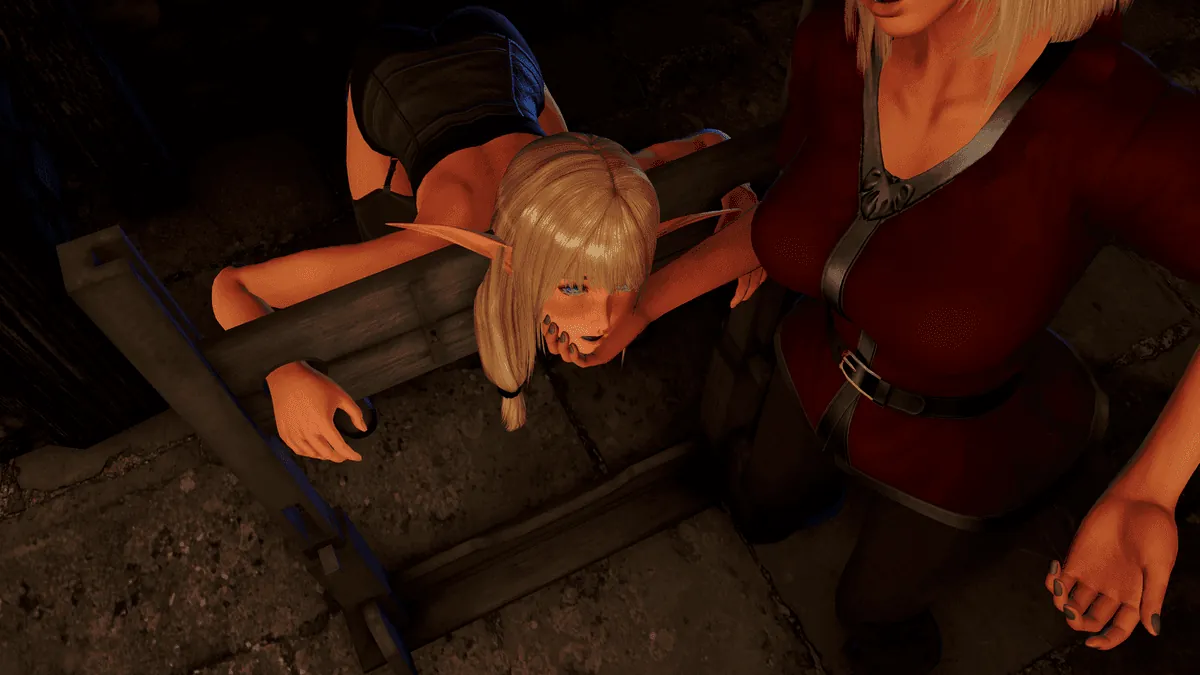
A House in the Rift Screenshots


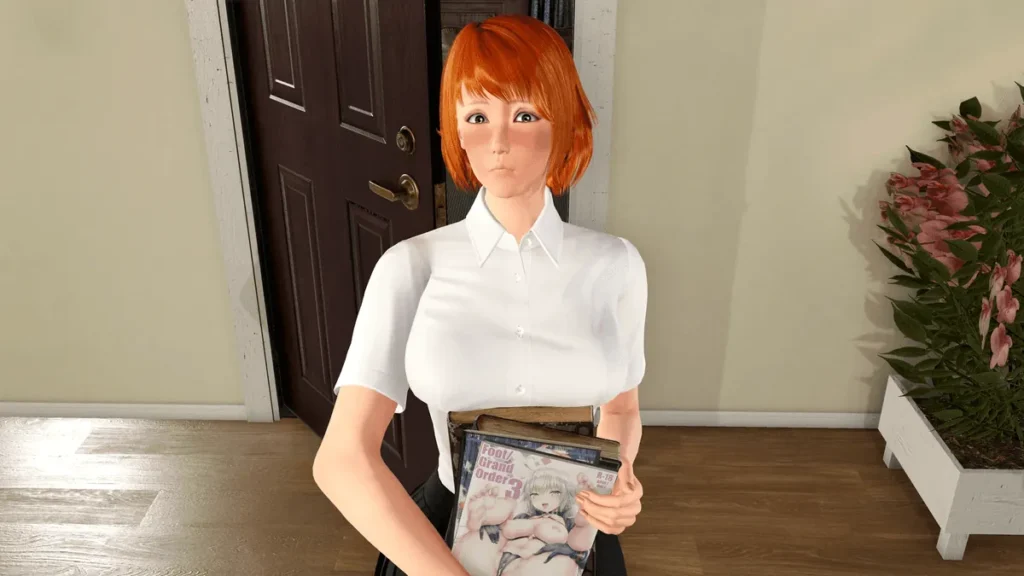







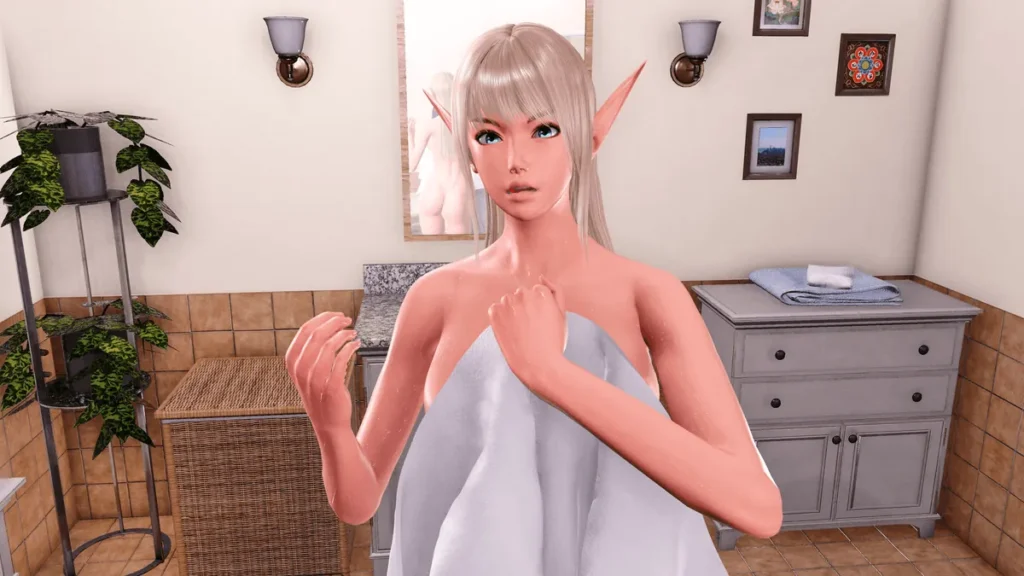
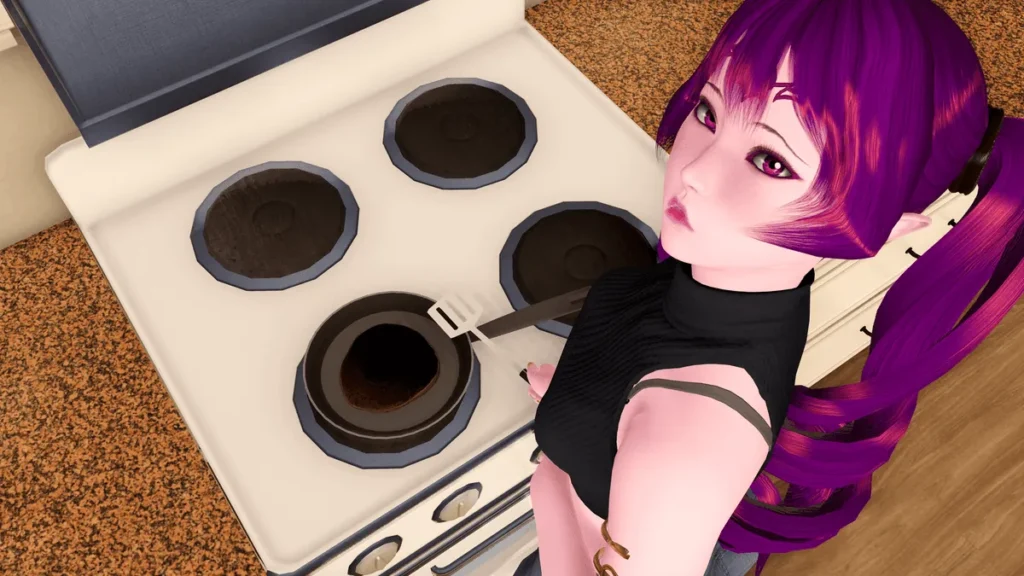





A House in the Rift review
Explore the immersive world, characters, and gameplay mechanics of this narrative-driven experience
A House in the Rift stands out as a narrative-driven interactive experience that creates a believable world beyond typical genre conventions. The game combines character development, exploration mechanics, and an engaging storyline that has captivated players seeking depth and immersion. Whether you’re interested in understanding the game’s unique features, character backgrounds, or how to navigate its systems effectively, this guide covers everything you need to know about what makes A House in the Rift a distinctive gaming experience.
Understanding A House in the Rift: Core Gameplay & World Building
Ever found yourself wandering a gorgeous game world, only to feel like you’re just ticking off checkboxes on a map? 🗺️ You’re not alone. Many narrative games fall into the trap of being beautiful but ultimately hollow, where the world feels like a static painting rather than a living, breathing space. This is where A House in the Rift gameplay sets itself apart with a startlingly simple philosophy: the world exists for its characters, not the other way around.
Your journey doesn’t start with an epic quest to slay a dragon. It begins with you, a mysterious amnesiac, waking up in a strange, ever-shifting mansion. Your goal isn’t to conquer, but to connect. To understand the other lost souls sharing this space and uncover the secrets of the rift itself. This foundational shift from world-saving to relationship-building is the heart of the experience. It’s a narrative-driven experience where your choices in conversation, your daily routines, and your thoughtful management of the house’s resources directly shape your story and your bonds.
So, let’s pull back the curtain. This chapter is your personal guide to understanding the elegant systems that make this world tick. We’ll explore how to move through it, how to find the people who matter, and how to manage your new home. Think of it as your orientation manual for the rift. 📚
What Makes A House in the Rift Different From Other Games
At first glance, you might slot this game into a familiar category. But to do so would miss the point entirely. A House in the Rift isn’t about loot, levels, or linear plots. It’s a game of atmosphere, routine, and authentic discovery. The immersive game world design is achieved not through overwhelming scale, but through meticulous, consistent detail.
I remember my first few in-game days. I was so focused on trying to “progress” that I rushed through dialogues and ran room to room. I hit a wall of frustration, feeling like I wasn’t getting anywhere. Then, I slowed down. I started actually reading the ambient descriptions, noticing how the light changed in the library in the afternoon, and realizing that Lyriel would always be tending her plants after breakfast. The game wasn’t withholding content; it was waiting for me to engage with its rhythm. This is the core of its design: cohesive world building where every element supports the characters and the mood.
The developer, Zelroth, has crafted systems that feel organic, not gamey. There’s no traditional combat. There’s no urgent, world-ending timer forcing you forward. Instead, progression is gated by trust, by knowledge, and by the incremental improvement of your environment. You advance the story by learning a character’s favorite tea, by having enough money to buy a gift that sparks a memory, or by simply being in the right place at the right time to overhear a vulnerable conversation.
This approach to resource management in games is a masterclass in subtlety. Your primary resource isn’t mana or stamina—it’s attention and time. Where you choose to spend your day, and with whom, is the most important decision you’ll make. The game brilliantly balances this with tangible resources like money, which evolved dramatically based on player feedback. Early versions had a much tighter economy, but the developer listened. Money became less of a frustrating barrier and more of a tool for meaningful interaction, allowing players to express care through gifts and home improvements without punishing exploration.
Navigating the Game World and Character Locations
If the thought of a complex map with a hundred icons gives you anxiety, breathe easy. 🧘 The game navigation system in A House in the Rift is elegantly simple and deeply integrated into the story. You are in a mysterious, shifting mansion; it makes sense that you wouldn’t have a perfect GPS. Instead, you have a stylized, atmospheric map of the house’s current layout.
The real magic, however, lies in the character location tracking. This isn’t just a mechanic; it’s a storytelling device. Characters in the rift have their own lives, routines, and moods. They aren’t static NPCs waiting eternally in one spot for you to grace them with your presence. Raeve might be training in the courtyard in the morning, reading in the library in the afternoon, and nowhere to be found late at night when she retires to her room. This scheduling makes the house feel genuinely alive.
Your map and your quest log are your best friends here. The map will often show you where key characters are likely to be at certain times, but part of the immersion is learning their patterns yourself. It creates those wonderful “aha!” moments when you finally piece together someone’s daily schedule. To effectively master how to navigate A House in the Rift, you need to think in terms of routine, not just space.
Pro Tip: Get into the habit of checking your map when you wake up and after any major time transition (like finishing a long conversation or craft). Make a mental note of who is where. Planning your day around character availability is key to efficient progression.
The quest log mechanics are perfectly tailored to this organic style. You won’t find entries like “Kill 10 Wolves.” Instead, your log keeps track of delicate narrative threads: “Lyriel mentioned she misses the taste of fresh honey,” or “Raeve seems troubled after her last expedition.” These are your guides. They don’t tell you what to do, they remind you what matters to the people around you. It’s up to you to figure out how to get honey or how to approach Raeve. This system respects your intelligence and makes every completed “quest” feel like a personal achievement, not a chore.
To give you a head start on understanding the rhythms of the house, here’s a reference table for some key residents. Remember, these are typical patterns, and special story events or your own actions can change them!
| Character | Morning (Before Noon) | Afternoon (Noon – 6 PM) | Evening/Night (After 6 PM) |
|---|---|---|---|
| Lyriel | Gardens or Greenhouse | Main Hall or Library | Her Room or Quiet Sitting Area |
| Raeve | Courtyard (Training) | Library or Workshop | Often Unavailable / Her Quarters |
| Serah | Kitchen or Pantry | Moving Around House (Cleaning) | Common Area or Kitchen |
| The Librarian | Library Desk | Library Stacks | Library (Dim Lighting) |
Managing Resources and Progression Systems
Let’s talk about the engine that drives your day-to-day life in the rift: its economy of care. While exploration and conversation are free, deepening bonds and unraveling mysteries often requires a more tangible investment. This is where the game’s take on resource management in games truly shines, focusing on meaningful acquisition and thoughtful spending.
The primary currency is money, earned through various activities like exploring certain rift anomalies, selling crafted items, or completing character requests. Early in the game’s life, money was notoriously scarce, leading to a grind-heavy feel. The developer actively addressed this, smoothing out the economy to reduce friction and make earning feel more rewarding and tied to engagement rather than repetition. Now, money acts as a gateway to meaningful interactions, not a wall.
What should you spend it on? Here’s my personal insight, learned through trial and error:
* Gifts First: Always check character dialogues for hints about likes and dislikes. Buying a specific book for Lyriel or a rare tool component for Raeve can unlock significant new dialogue branches and trust levels. This is the best return on investment.
* House Upgrades Second: Improving the kitchen, library, or living spaces often unlocks new crafting recipes, provides new interaction points with characters, or simply makes the house feel more like a home—which is, thematically, the whole point!
* Crafting Materials Third: Some materials can be found, but others must be bought. If you’re stuck on a character’s request that needs a specific crafted item, don’t be afraid to spend here.
Crafting is your other key system. It’s straightforward but essential. You’ll collect materials from around the house and the rift (plants, minerals, strange artifacts). These can be combined at relevant stations (kitchen, workshop) to create food, drinks, gifts, and upgrade materials. Cooking a meal isn’t just about restoring a meter; it can be an event. Inviting a character to share a dinner you prepared is a powerful story moment.
The ultimate resource management challenge is balancing your time. Your daily energy is limited. Do you spend it exploring a new rift zone for rare materials? Do you use it to craft a complex gift? Or do you simply spend the afternoon talking, building rapport without spending a single coin? There’s no wrong answer, only different story paths. This system ensures that your progression in A House in the Rift gameplay always feels personal and chosen, not dictated.
The beauty of this design is that it turns routine into revelation. Checking in on Serah in the kitchen every day isn’t a task; it’s a chance to learn her story piece by piece. Saving up for a garden upgrade isn’t a grind; it’s a shared project that benefits everyone in the house. You’re not managing resources to win; you’re managing them to connect, and in doing so, you naturally uncover the profound mysteries of the rift itself. 🔍
Frequently Asked Questions about Game Mechanics
Q: I’m lost and don’t know what to do next. How do I progress?
A: This is common early on! First, always check your quest log. It holds subtle hints from conversations. Second, talk to everyone. Exhaust all dialogue options. Third, use your map to find characters and try interacting with them at different times of day. Progression is often locked behind building trust, which requires repeated, meaningful interactions.
Q: How important is money, and what’s the best way to get it?
A: Money is important for buying gifts and upgrades, which are key to unlocking story content. The best early ways to earn are to diligently complete character requests (which often double as relationship builders) and to explore new rift areas as they become available, as they often contain valuable artifacts to sell.
Q: I keep missing characters! How can I find someone specific?
A: Embrace the game’s character location tracking as part of the realism. Use the table above as a starting guide. Learn their schedules. Most characters have 2-3 regular locations based on time of day. If someone is consistently unavailable, it might be because you need to advance their specific story thread first by completing a prior step.
Q: Is there a penalty for taking my time or “wasting” a day?
A: Absolutely not. 📅 There are no calendar-based penalties for story events. The game encourages you to live at your own pace. Building relationships naturally takes time. “Wasting” a day reading in the library or repeatedly talking to a character is often exactly what you need to do to trigger the next story beat.
Q: How do I know what gifts characters like?
A: Pay close attention to their dialogue! They will often mention hobbies, past memories, or current needs. The item description in the shop sometimes gives hints too. There’s also a trial-and-error element—giving an unsuitable gift won’t break anything, it just won’t advance the relationship. Part of the fun is learning their personalities through these interactions.
A House in the Rift delivers a distinctive experience by prioritizing world-building and character depth alongside its interactive elements. The game’s navigation system, character scheduling, and resource management mechanics work together to create an engaging experience that rewards exploration and player engagement. Understanding these core systems—from using the map to track character locations to managing your resources effectively—enhances your overall enjoyment of the game. The developers’ commitment to refining these mechanics based on player feedback demonstrates their dedication to creating a polished, immersive experience. Whether you’re new to the game or looking to deepen your understanding of its systems, mastering these fundamentals will significantly improve your gameplay experience.