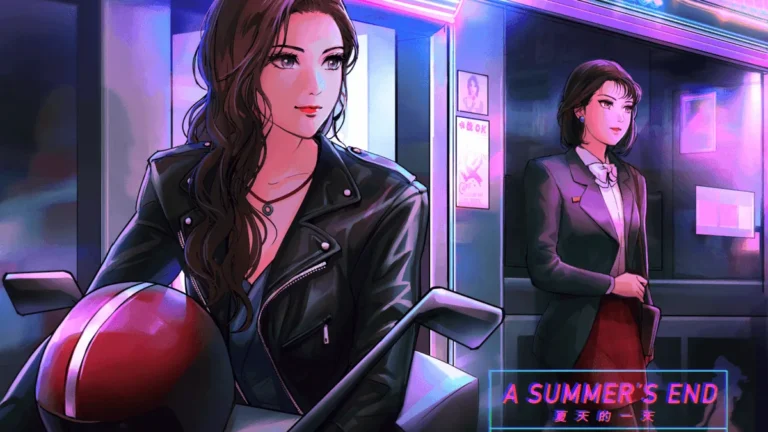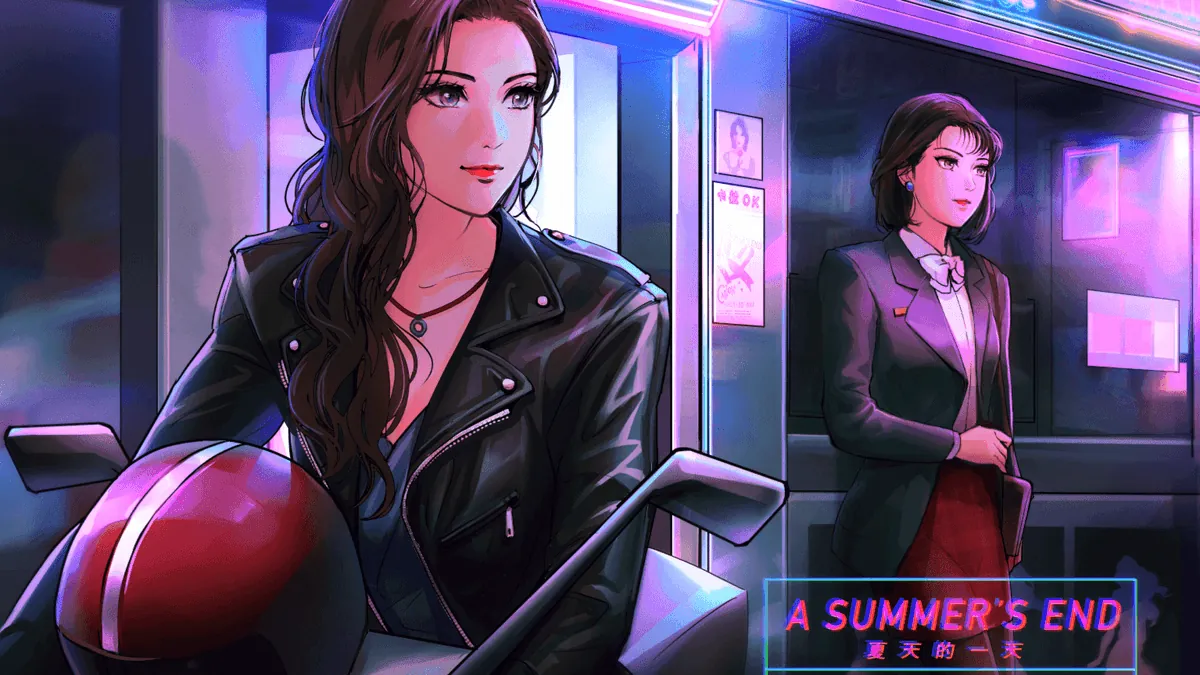
A Summer’s End – Hong Kong, 1986
Play A Summer’s End – Hong Kong, 1986
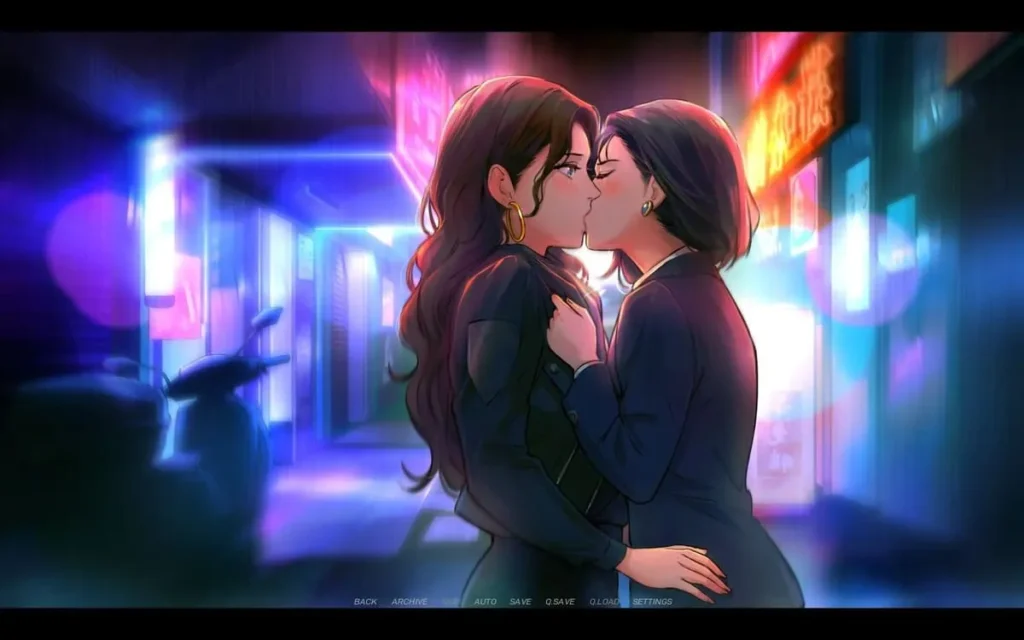
A Summer’s End – Hong Kong, 1986 Screenshots







A Summer’s End – Hong Kong, 1986 review
Discover the heartfelt story of love, identity, and 1980s Hong Kong vibes
Imagine stumbling upon a visual novel that captures the electric buzz of 1980s Hong Kong while weaving a tender queer romance between two women navigating love and self-discovery. A Summer’s End – Hong Kong, 1986 does just that, pulling you into Michelle’s world as an office worker whose chance meeting with free-spirited Sam sparks something profound. Set against neon-lit streets and cultural shifts post-1985 Sino-British Declaration, this game blends stunning art, vaporwave tunes, and branching choices leading to two endings. I first played it during a rainy night, and it felt like peeking into a hidden chapter of history—intimate, evocative, and utterly captivating. Ready to dive into why it’s a must-play?
What Makes A Summer’s End Hong Kong 1986 Unforgettable?
I’ll never forget the evening I first booted up A Summer’s End – Hong Kong, 1986. 🎮 The world outside my window was quiet, but within minutes, the game’s synthwave soundtrack and stunning, hand-drawn neon streets pulled me into a different time and place entirely. It wasn’t just a game; it was a portal. I was suddenly walking the humid, vibrant streets of 1980s Hong Kong, a world pulsing with possibility and thick with unspoken tension. That’s the magic this queer romance visual novel weaves from the very first scene. It’s an experience that lingers long after the credits roll, and if you’re wondering what is A Summer’s End Hong Kong 1986, it’s a heartfelt journey into love, identity, and a city at a cultural crossroads.
So, what exactly makes this story so unforgettable? Let’s dive into the heart of its appeal. ✨
Who Are Michelle and Sam and Why Do They Resonate?
At its core, A Summer’s End Hong Kong 1986 is the Michelle and Sam story. Their dynamic isn’t just about romance; it’s a beautiful, painful, and authentic exploration of two people from opposite worlds colliding. 💘
Michelle is someone I think many of us can see a part of ourselves in. She’s an introverted office worker, dutiful and reserved, bearing the weight of traditional family expectations on her shoulders. Her world is one of order, filial piety, and subdued colors. Then there’s Sam. Oh, Sam. 🏍️ She’s the free-spirited, confident owner of a local video store, living life on her own terms with a boldness that both frightens and fascinates Michelle. Sam represents a freedom Michelle has never allowed herself to imagine.
Their chemistry is electric precisely because it’s built on more than just attraction. It’s a dance of cultural clashes and self-discovery. Every conversation, every hesitant glance, is charged with the question: “Can I be my true self?” Michelle’s internal struggle between her desires and her duties is portrayed with incredible nuance. This isn’t a simple coming-out story; it’s about the quiet revolution of choosing your own happiness against a backdrop of societal and familial pressure. Their relationship feels real, fragile, and powerful because it mirrors the real-world journeys so many undertake.
How Does the 1986 Hong Kong Setting Bring the Story Alive?
You can’t separate A Summer’s End Hong Kong 1986 from its 1986 Hong Kong setting. The year isn’t just a backdrop; it’s a silent, powerful character in the narrative. 🏙️🇭🇰 Following the 1985 Sino-British Joint Declaration, which set the timeline for Hong Kong’s handover to China, the city was awash with a unique, transient energy—a blend of anxiety about the future and a fierce determination to live in the present. This historical unease perfectly mirrors Michelle’s own personal turmoil. Her struggle with identity and an uncertain future echoes the city’s collective sentiment, making her journey feel all the more poignant and grounded.
The developers, Oracle & Bone, poured an immense amount of love into recreating this specific moment in time. The visual and auditory atmosphere is a character in itself:
- Hand-Drawn Art: Every scene is a breathtaking painting, from the smoky interiors of a cha chaan teng (tea restaurant) to the iconic neon-drenched nightscapes of Tsim Sha Tsui. The art style evokes both nostalgia and a palpable sense of place.
- Iconic Soundtrack: The music, featuring artists like Timecop1983 and Crystal Cola, is a masterclass in mood. The synthwave and city pop tracks don’t just accompany the story—they are the heartbeat of 1980s Hong Kong, amplifying every emotion from longing to joy.
- Interactive Elements: The environment isn’t just for looking at. You’ll click through Michelle’s apartment, browse shelves in Sam’s video store, and feel the city’s pulse through these small, interactive moments.
This commitment to setting does more than set a mood; it builds a world you believe in, making the Hong Kong 1986 game romance feel authentic and deeply immersive.
What Choices Shape Your Journey Through Love and Identity?
Unlike a passive novel or film, A Summer’s End Hong Kong 1986 makes you an active participant in Michelle’s story through its interactive dialogue choices. This is where the “visual novel” format truly shines. 🤔 Your decisions aren’t about picking “good” or “bad” responses; they’re about guiding Michelle’s internal voice and shaping her confidence.
The game uses a subtle point system tied to key choices, influencing Michelle’s path toward self-assurance. These points unlock bonus scenes that offer deeper insights into her thoughts and her growing bond with Sam. One of the most unforgettable moments is the “rainy restaurant chase” scene—a sequence of choices that feels tense, cinematic, and incredibly human. It’s a perfect example of how your inputs drive the narrative’s emotional rhythm.
Ultimately, your journey leads to one of two visual novel endings. What’s remarkable is how both avoid common, exploitative tragedy tropes often found in queer storytelling. Instead, they offer nuanced conclusions that feel earned and true to the characters’ development.
| Ending Type | Focus & Tone | What It Represents |
|---|---|---|
| The Hopeful Ending | An open, optimistic look toward the future. It emphasizes choice, courage, and the potential for happiness on one’s own terms. | The triumph of self-acceptance and the bold decision to pursue an authentic life, despite uncertainty. |
| The Bittersweet Ending | A more reflective, melancholic conclusion. It highlights the weight of duty, sacrifice, and the complex love within families. | A poignant recognition of the real costs and compromises sometimes involved in personal journeys, valuing connection in all its forms. |
Both endings are valid and impactful, refusing to dictate a “correct” way for Michelle’s story to conclude. They respect the player’s (and Michelle’s) journey, making the experience profoundly personal.
💡 My Personal Insight & Practical Advice: To get the fullest emotional payoff from A Summer’s End Hong Kong 1986, I highly recommend playing with the official adult patch (available on the developer’s itch.io page). This isn’t just about added intimacy; it includes crucial, tender narrative scenes that deepen your understanding of Michelle and Sam’s connection. These moments are handled with remarkable taste and are integral to portraying a complete, adult relationship. It transforms a great story into an unforgettable one.
In a landscape often saturated with loud, action-driven plots, A Summer’s End Hong Kong 1986 stands out as a masterclass in introspection. It’s perfect for anyone who loves stories that sit with you, that explore the quiet revolutions of the heart against the backdrop of a changing world. It’s more than a game; it’s a beautiful, resonant memory of a summer that teaches us about courage, love, and finding our place. 🌅
“It captured a feeling of real queer longing and self-discovery without a hint of exploitation. For once, it felt like our story, told with grace and breathtaking beauty.” — A player’s testimonial.
A Summer’s End – Hong Kong, 1986 isn’t just a visual novel—it’s a vibrant portal to 1980s romance, where Michelle and Sam’s story reminds us that love thrives amid uncertainty. From neon-drenched streets to heartfelt choices, it masterfully blends art, music, and narrative depth, with the adult patch adding that extra layer of intimacy. My own playthrough left me reflecting on identity and connection long after the credits. If you’re craving a story that feels personal and profound, grab it now, activate the patch, and let Hong Kong’s summer magic unfold. What’s your ending going to be?