Play Adverse Effects
Adverse Effects Screenshots

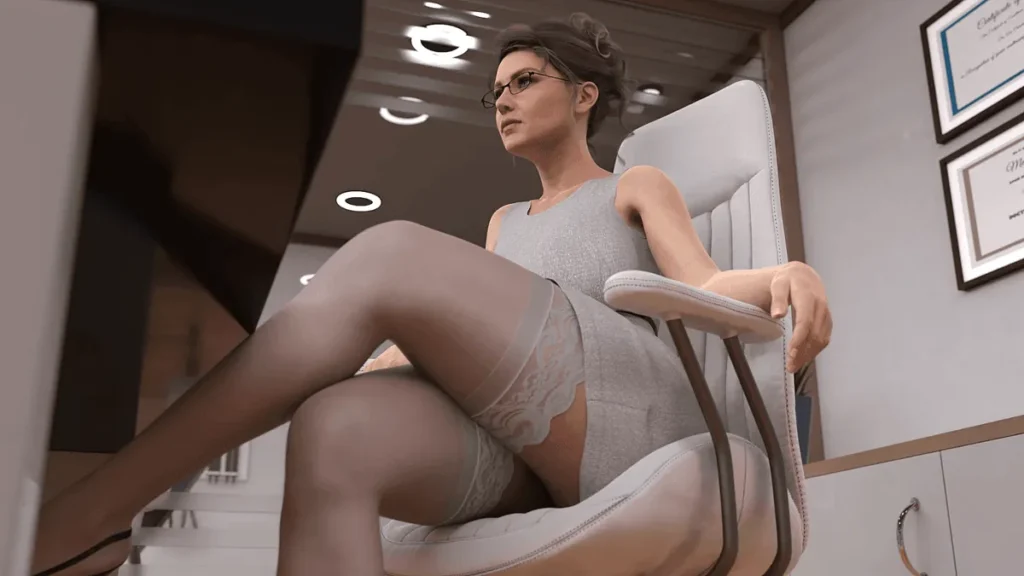
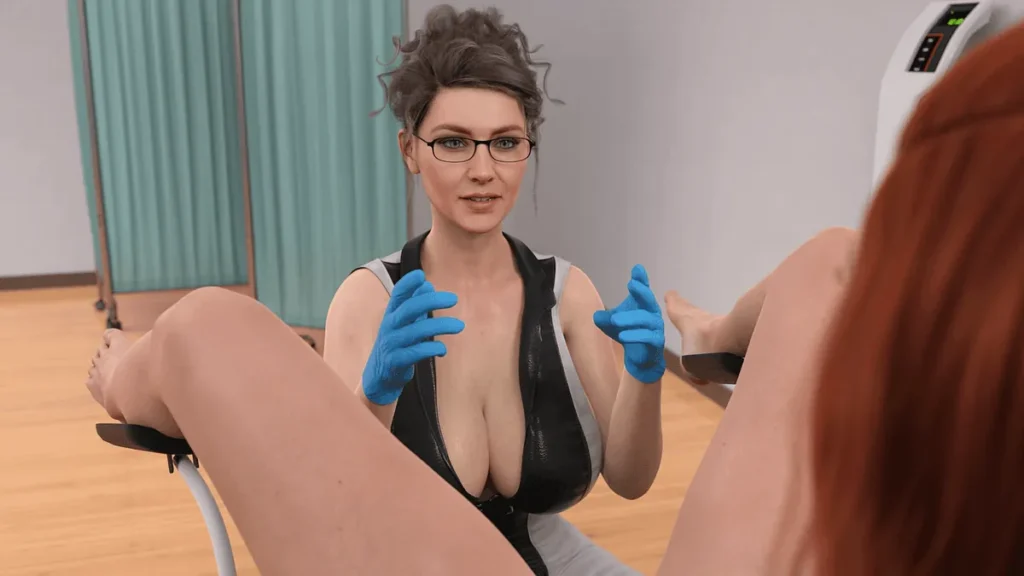

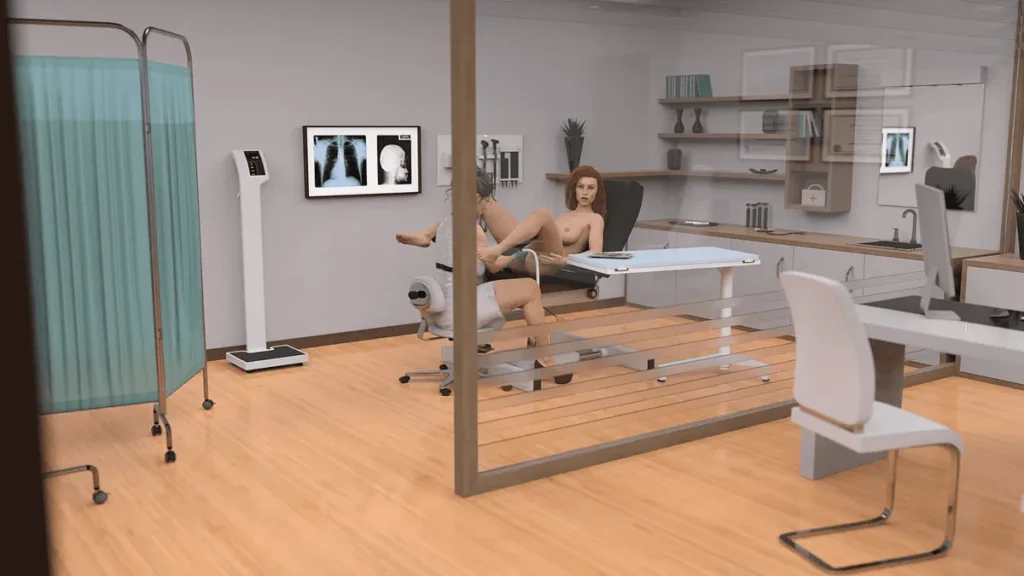

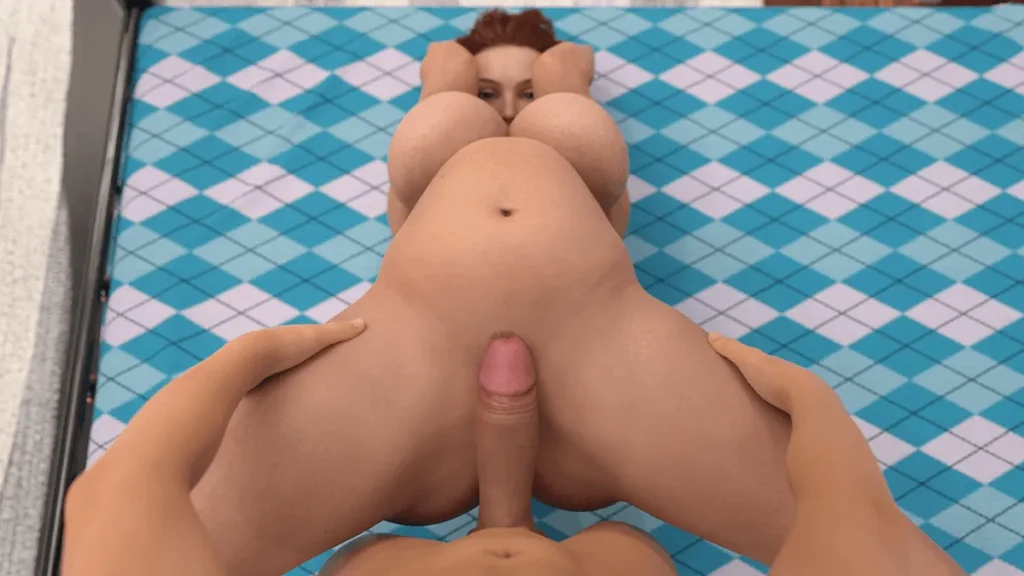
Adverse Effects review
Uncovering the real risks and impacts of playing Adverse Effects
Ever stumbled upon Adverse Effects, the controversial porn game that’s got players hooked in ways they never expected? I remember my first dive into it—sleek visuals, immersive storylines, and that rush of novelty that kept me coming back. But beneath the surface, Adverse Effects packs some serious downsides. This article breaks down the adverse effects of Adverse Effects, from brain changes to wrecked relationships. If you’re playing or thinking about it, stick around to learn the unfiltered truth and how to protect yourself. We’ll explore the science, share real stories, and give you actionable steps to game smarter.
What Are the Main Adverse Effects of Adverse Effects?
It started like a joke. A friend sent me a link late one night with a winking emoji. “Try this, it’s wild,” the message read. I clicked, expecting maybe a quirky indie game. What I found was Adverse Effects. 🎮 The initial rush was undeniable—a potent, thrilling mix of interactive choice and graphic content. It felt exciting, taboo, a secret world at my fingertips. But that thrill, like a sugar high, eventually crashed. What was left wasn’t fun; it was a hollow feeling and a gnawing question: What is this game actually doing to me?
That’s the core question we’re unpacking. The Adverse Effects porn game risks go far beyond just wasting time. They strike at the very wiring of our brains and our capacity for real connection. This chapter isn’t about shame; it’s about awareness. We’ll look at the science, the stories, and the signs, because understanding the main adverse effects of Adverse Effects is the first step to taking back control.
How Dopamine Overload Rewires Your Brain
Think of your brain’s reward system like a loyal pet. You do something good—eat a great meal, get a compliment, achieve a goal—and it gives you a little treat: a dose of a feel-good chemical called dopamine. It’s a gentle, healthy reward. Now, imagine someone replaced that treat with a powerful, concentrated drug. The pet goes crazy for it, ignoring its normal food. That’s essentially what the adverse effects game does.
Every click, every scene, every “achievement” in Adverse Effects triggers a massive, unnatural dopamine surge. 🧠 It’s not a gentle reward; it’s a flood. Your brain, designed to seek out what makes it feel good, starts to latch onto this as the ultimate source of pleasure. This is the core of the dopamine from Adverse Effects cycle. The problem? Your brain is brilliant at adapting. To cope with these constant floods, it starts to downregulate. It says, “Oh, this is the new normal? I’ll turn down the sensitivity on my dopamine receptors.”
This leads to brain changes from Adverse Effects that are very real. Suddenly, the things that used to bring you joy—hanging with friends, hobbies, a good book—feel flat. They can’t compete with the artificial high of the game. This is called tolerance, and it creates a vicious cycle: you need more intense or longer sessions of the game to feel the same effect. Your baseline for pleasure gets warped. The game isn’t just a game anymore; it’s hijacking your brain’s natural reward pathway.
Here are some of the most common symptoms that signal this rewiring is happening:
| Symptom | Description | Practical Prevention Tip |
|---|---|---|
| Poor Sleep & Constant Fatigue | Late-night sessions disrupt sleep cycles, and dopamine depletion leaves you feeling drained even after rest. | Use a device curfew. Set all screens to “Do Not Disturb” and charge your phone outside the bedroom 1 hour before bed. ⏰ |
| Increased Irritability & Agitation | As your brain craves the game’s stimulation, frustration builds when you can’t play, leading to short tempers. | Track your mood in a notes app when you feel the urge to play. Identifying the emotional trigger is half the battle. 😤 |
| Loss of Interest in Real-Life Pleasures (Anhedonia) | Hobbies, social events, and other activities feel boring and unrewarding compared to the game. | Schedule one “real world” reward daily—a walk, a favorite snack, a short call with a friend—and stick to it. |
| Difficulty with Focus & “Brain Fog” | The constant dopamine spikes and crashes can impair your prefrontal cortex, the area responsible for concentration. | Practice the “5 More Minutes” rule. When working, commit to just 5 more minutes of focus before allowing any distraction. |
| Performance Issues & Anxiety | The brain’s stress response gets linked to sexual function, and performance anxiety can become a self-fulfilling prophecy. | Separate intimacy completely from the game’s context. Focus on connection and sensation, not performance. 🤝 |
| Social Withdrawal & Isolation | Preferring the predictable, intense reward of the game over the complex, sometimes uncertain rewards of human interaction. | Commit to one in-person social activity per week, no cancellations. Start small, like coffee with one person. |
Escalation to Extreme Content: A Common Trap?
So your brain is now tolerant. The standard content of the adverse effects game starts to feel… meh. It doesn’t deliver the same punch. This is where one of the most dangerous Adverse Effects porn game risks manifests: escalation. 🎢
The design of games like Adverse Effects often encourages this. Maybe there are locked pathways, “special” endings, or content that’s framed as more “hardcore” or “taboo.” Your brain, chasing that diminishing dopamine hit, starts to see this not as a boundary but as a goal. “If I just play a little longer, unlock that one thing, then I’ll feel satisfied.” It’s a lie. The satisfaction is always fleeting, pushing you toward the next, more intense thing.
This is a core part of how Adverse Effects desensitizes you. The content you once might have found shocking or overwhelming becomes normalized. Then, you need something even more graphic or extreme to get the same neurological reaction. It’s a trap that many, many players fall into, often without consciously deciding to. The game’s progression system and your brain’s compromised reward system become partners in pushing you further.
My friend’s story is a classic example. He started with what he called the “vanilla” routes. But within a few months, he was hunting for fan-made mods and save files that promised more extreme scenarios. He told me, “The regular stuff just felt boring. It was like watching a movie I’d already seen a hundred times.” His real-world relationship suffered because his expectations and arousal template had been completely reshaped by this escalation trap. This distortion is a direct and damaging result of the brain changes from Adverse Effects.
Real Player Stories of Hitting Rock Bottom
Reading about science and cycles is one thing. Hearing from people who’ve lived it is another. These player stories from Adverse Effects aren’t rare; they’re a logical conclusion of the path we’ve described. Names and details are changed, but the core experiences are painfully real.
Mark’s Story: The Withdrawal That Cost a Job
Mark, a 28-year-old software developer, used Adverse Effects as a daily stress reliever. It became a 2-3 hour nightly ritual. When he tried to stop before a big family vacation, he was blindsided. “It wasn’t just wanting to play,” he shared. “I had full-on withdrawal: crushing anxiety, headaches, and an inability to focus on anything. I was snapping at my family. The worst part? I slipped up during the trip, hid in the bathroom to play for 20 minutes, and felt immense shame.” The compulsion followed him home and escalated. He began playing during work hours, missing critical deadlines. He was finally let go after a missed project delivery—a direct line he can now draw from the game to his professional collapse.
Alex’s Story: Isolation and a Distorted Worldview
For Alex, a college student, Adverse Effects started as a curiosity. It quickly became his primary social and emotional outlet. “Why deal with the awkwardness of dating or rejection,” he thought, “when I can have this perfect, always-available experience?” He canceled plans, stopped responding to texts, and spent whole weekends in the game. The Adverse Effects addiction signs were all there: neglected responsibilities, isolation, and loss of interest. But the deeper damage was in his perception. “I started to see real people as frustratingly complicated compared to the characters in the game. My expectations for connection became completely unrealistic and selfish. I didn’t just feel lonely; I’d forgotten how to connect.” He hit rock bottom sitting in his dorm room, realizing he hadn’t had a meaningful conversation with another human in over a month.
These stories highlight the ultimate risk: the game can stop being a thing you do and start being a place you live, at the cost of your real life.
If you see yourself in these stories, know this: The first step is simply noticing the pattern. You are not your compulsion.
What Can You Do? Practical Steps to Take Back Control
- Track It to Crack It: 🕵️♂️ You can’t manage what you don’t measure. Use a simple app blocker or even a notes app to log every time you play. Don’t judge, just observe. You’ll likely see patterns (e.g., always when bored at 10 PM, or when stressed after work).
- Create Friction: The game wins when access is instant. Delete it from your main device. Use a website blocker to make the site inaccessible. Set up a password you don’t know (have a friend set it). Every barrier gives your rational brain a moment to catch up to the urge.
- Rebuild Your Reward System: This is crucial. You have to teach your brain that other things are valuable again. Force yourself into healthy dopamine activities: exercise (even a 10-minute walk), cooking a nice meal, learning a simple skill on YouTube. It will feel pointless at first. Do it anyway. The neural pathways will slowly repair.
- Reconnect, However Small: Message one old friend. Sit in a coffee shop instead of your room. Join an online group for a hobby. The social withdrawal fueled by the game is a key symptom. Combat it with tiny, manageable doses of real interaction.
The unsettling truth about the adverse effects game is that its dangers are not an accident; they are a function of its design. It exploits the brain’s natural reward system with surgical precision, offering a shortcut to intense stimulation that real life can’t instantly match. Understanding the dopamine from Adverse Effects, the tolerance, the escalation, and the very real Adverse Effects addiction signs isn’t about causing panic. It’s about empowering you with knowledge. Your brain is adaptable—it got you into this pattern, and with awareness and effort, it can help you build a healthier, more fulfilling one. The game offers a fantasy of control, but true control begins when you decide to look clearly at its adverse effects.
FAQs: Navigating the Risks of Adverse Effects
Q: Can playing Adverse Effects cause a real addiction?
A: Yes, absolutely. While not a substance, the compulsive use of the game can mirror behavioral addiction. The hallmarks are all there: loss of control over playtime, continued use despite negative consequences to your job, relationships, or health, withdrawal symptoms like irritability when not playing, and tolerance (needing more to get the same effect). The Adverse Effects addiction signs are behavioral and neurological.
Q: I think I’m desensitized. Is this permanent?
A: No, it’s not permanent, but it does require active effort to reverse. The brain’s neuroplasticity means it can heal. The process is called “rebooting” or resetting your arousal template. It involves a period of abstinence from all such graphic content to allow your dopamine pathways and natural sensitivity to return to baseline. This, combined with re-engaging with real-world stimuli and intimacy, can effectively reverse how Adverse Effects desensitizes.
Q: How long do withdrawal symptoms last if I stop?
A: This varies by individual and intensity of use. The acute phase—marked by strong cravings, mood swings, anxiety, and sleep issues—often peaks in the first 1-2 weeks. A general feeling of “flatness” or anhedonia can last for several weeks to a few months as your brain recalibrates. Staying consistent with healthy habits is key to moving through this phase.
Q: Is it okay to play just occasionally?
A: This is a personal risk assessment. For some, occasional use may be possible without issue. For many who have experienced the compulsive cycle, however, “occasional” use is a slippery slope back into habitual use. It’s like an alcoholic trying to have just one beer. If you’ve noticed any negative Adverse Effects porn game risks impacting your life, a period of complete abstinence is usually recommended to break the cycle and regain clear perspective.
Q: Where can I find help if I feel trapped?
A: You are not alone. Consider talking to a therapist or counselor who specializes in behavioral addictions or compulsive behaviors. Online communities (focused on recovery, not gaming) can provide non-judgmental support. Confiding in a trusted friend can also be a powerful first step. The most important thing is to reach out.
Diving into Adverse Effects might seem like harmless fun at first, but as we’ve seen, the adverse effects—from dopamine crashes and relationship strain to escalating compulsions—can take a real toll. I share this because I’ve been there, pulling back just in time to reclaim my focus and connections. Key takeaway? Awareness is your first defense. Track your habits, seek support from friends or pros if needed, and remember life’s thrills beat screen highs any day. Ready to level up your well-being? Pause the game today, step outside, and build real-world wins. You’ve got this—what’s your next move?