
Dungeon Days
Play Dungeon Days
Dungeon Days Screenshots






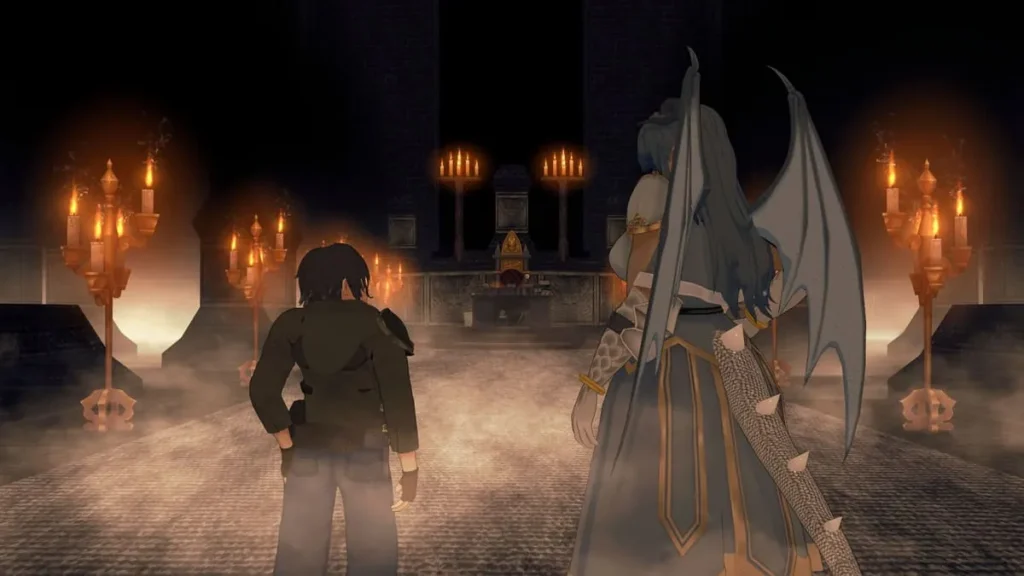

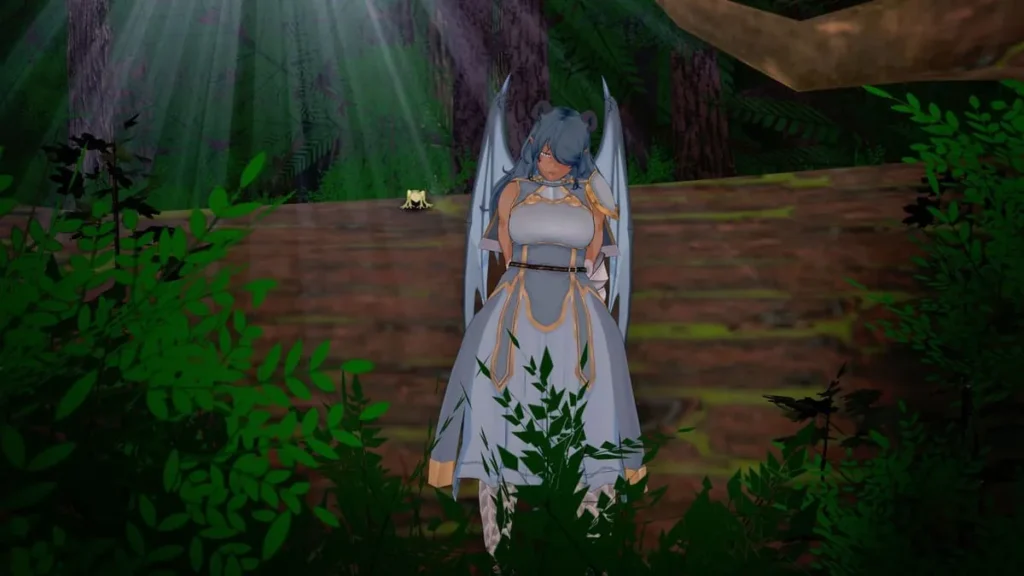
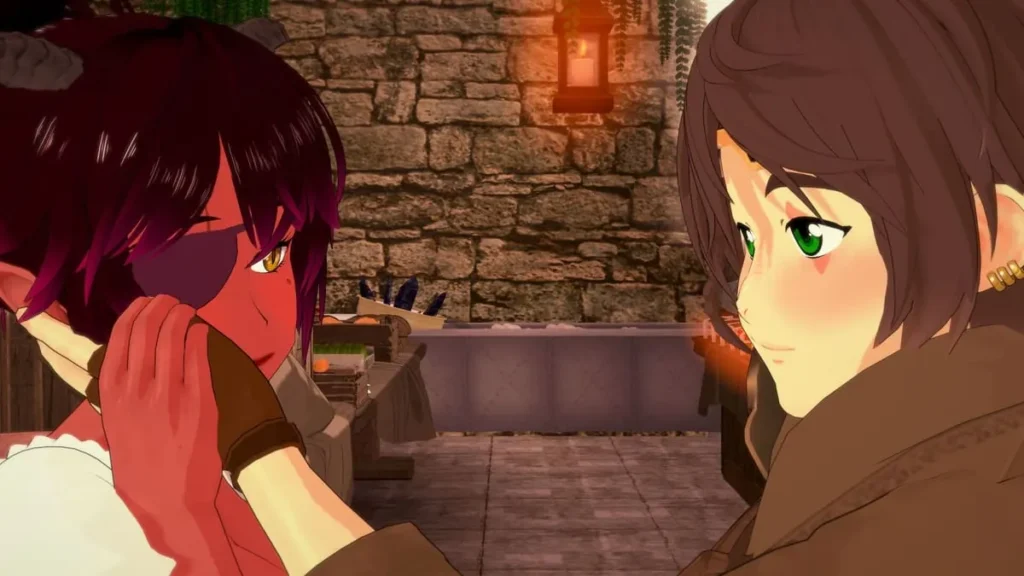

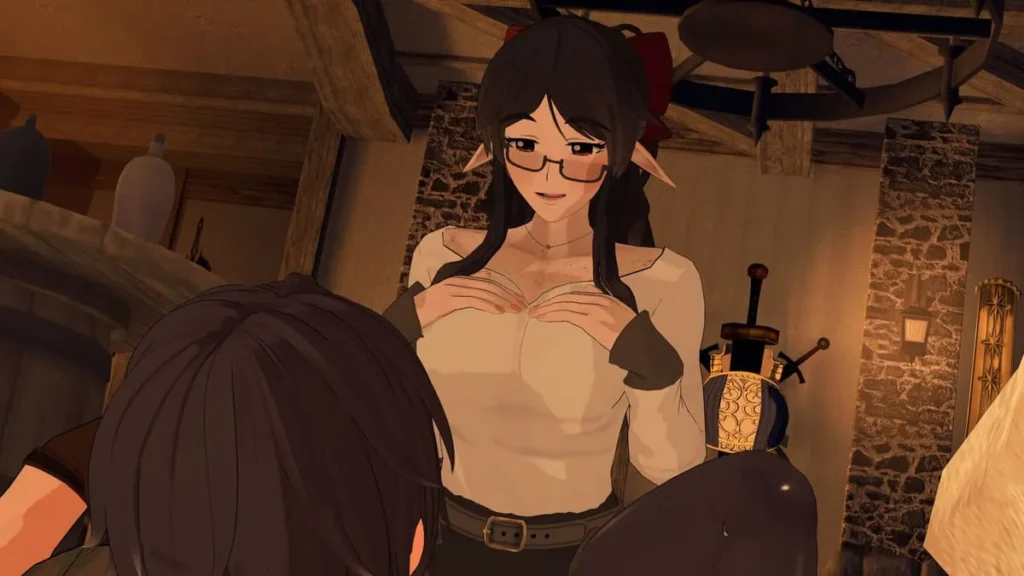




Dungeon Days review
A practical, experience-based look at Dungeon Days, its gameplay, and what to expect before you dive in
Dungeon Days is a niche adult-oriented game that mixes dungeon crawling structure with visual novel style storytelling and character interactions. If you have seen the name pop up in forums or game repositories, you might be wondering what Dungeon Days actually offers beyond its surface appeal. In this guide, I’ll walk through what it feels like to play Dungeon Days, how its systems work, what kind of content you can expect, and who this game is really for. I will also share some personal impressions and practical pointers so you can decide whether Dungeon Days deserves a place in your backlog.
What Is Dungeon Days and How Does It Play?
So, you’ve heard the name Dungeon Days floating around, maybe seen some intriguing art, and now you’re wondering what all the fuss is about. Is it just another flashy title, or is there a genuinely engaging experience underneath? Let me pull up a chair and give you the real scoop from someone who’s spent a good amount of time navigating its corridors. 🧙♂️🗝️
This isn’t your typical high-fantasy RPG with sprawling lore and punishing combat. At its heart, the Dungeon Days game is a character-focused, adult-oriented fantasy adventure that uses a classic dungeon-crawl structure as a stage for its real draw: interactive storytelling and building connections with a diverse cast. Think of it less as a test of your tactical might and more as a curated tour through a series of vivid, character-driven encounters where your choices steer the narrative and unlock the content.
Core premise and setting of Dungeon Days
So, what is Dungeon Days exactly? Imagine a sprawling, multi-leveled underground complex—your classic fantasy dungeon. But instead of just skeletons and treasure chests, each zone, corridor, and chamber is designed as a setting for social interaction and progression. You take on the role of an adventurer exploring this space, moving from area to area. The overarching story is usually light, serving as a flexible framework to explain why you’re there and why you keep meeting these interesting characters. It provides just enough context to make the world feel cohesive without getting in the way of the moment-to-moment encounters.
The main hook of Dungeon Days is how it uses this framework. As you delve deeper (both literally and figuratively), you trigger events tied to specific locations or the characters who inhabit them. The setting leans into adult themes, presenting a fantasy world where relationships and interactions can become intimate, but it always follows a structured progression. You unlock new areas, which in turn unlock new characters and events, creating a satisfying sense of discovery. The tone can range from playful and humorous to more serious and dramatic, depending on the character arc you’re engaging with. It’s a fantasy sandbox built for roleplay and exploration of its characters, not just its maps. 🗺️✨
Gameplay loop: from exploration to encounters
Now, let’s get into the nuts and bolts of Dungeon Days gameplay. How does Dungeon Days work on a minute-to-minute basis? The loop is straightforward and designed to keep you moving forward toward new content.
A typical session starts with you selecting a save file or beginning a new run. You’re then presented with an overview of the dungeon—often a map of connected rooms or zones. Your primary action is exploration. You click on a room to enter it. Once inside, you might find a character waiting, see a description of an event, or be presented with a few interactive points of interest.
This is where the core engagement happens. You trigger an event—initiating a conversation, stumbling upon a scene, or facing a simple challenge. You’ll then make dialogue and action choices. These choices are the soul of the game. They might influence a character’s attitude toward you, lead to a immediate scene, or set a flag for a future encounter. The mechanics supporting this are usually simple. You might manage a resource like Stamina or Time, which limits how many actions you can take before needing to rest or end the day. Sometimes, your success in an event might depend on a basic stat check (like Charisma or Strength), but these are almost always transparent and designed to gate content naturally rather than provide deep mechanical crunch.
Your reward for successful encounters is unlocking new scenes, character moments, and progression flags that open up previously inaccessible areas or storylines. This loop is brilliantly effective because it provides clear, visual feedback for your efforts. You’re always working toward seeing the next piece of art, the next character moment, or accessing the next dungeon level.
To visualize the core Dungeon Days game loop, it breaks down into these essential steps:
- Explore the dungeon map, moving from room to room.
- Trigger an event by interacting with a character or object.
- Make Choices through dialogue or actions that shape the outcome.
- Unlock Scenes as a direct reward for your choices and progression.
- Progress further into the dungeon or deeper into character relationships.
This structure encourages replay and experimentation. Maybe on your next run, you’ll choose different dialogue options with the enigmatic elf in the garden to see where that path leads, or you might focus your limited stamina on a different set of characters entirely. The simplicity of the loop means you’re never bogged down by complex systems; you’re free to focus on the narrative and visual payoffs.
Player experience: first impressions and learning curve
My own Dungeon Days first impressions were a mix of curiosity and slight bewilderment. I booted it up, created a character, and was dropped into the first room of the dungeon. For the first twenty to thirty minutes, I was clicking around, trying to understand the interface. “What does this icon mean?” “Is my stamina too low to do anything useful?” “How do I actually progress with this character I just met?” 🧐 It felt a bit aimless.
But here’s the turning point that defines the Dungeon Days experience: once you have that “aha!” moment and understand how the systems connect, everything clicks into place. You learn which room transitions move the in-game “time” forward, you start recognizing which choices tend to please certain characters, and you grasp how unlocking one scene often creates a bridge to another. The pacing, which can feel slow at the very start, quickly opens up. After getting through the initial tutorial-like area, I found myself with multiple character threads to pull on and new zones to explore, which created a very comfortable and engaging rhythm.
Let me paint a picture with a brief example from an early run:
You start in the Central Hall. You see three doors: the Tavern, the Armory, and the East Corridor. You have 10 Stamina. You choose the Tavern. Inside, you meet Brenna, the sharp-tongued bartender. The event triggers. You get three dialogue choices: a friendly greeting, a sly remark, or a direct question about the dungeon. You pick the friendly greeting. A short conversation plays out, ending with her offering you a minor quest to find a lost keg tap in the lower levels. A new scene is unlocked in your gallery. Your Stamina drops to 8. You leave the Tavern, now knowing that Brenna’s friendship (and potentially more) is tied to completing small tasks. Your goal for the next “day” is clear.
Now, for a balanced Dungeon Days review, let’s talk pros and cons from a player’s perspective.
| Strengths 🏆 | Weaknesses ⚠️ |
|---|---|
| Clear, Rewarding Progression: You always know what you’re working towards—the next scene, the next character level, the next dungeon area. The feedback loop is satisfying. | Potential for Repetition: The core loop of explore-click-choose can become repetitive if you’re not invested in the characters. It’s a framework, not a dynamic simulation. |
| Straightforward Systems: The stat checks and resource management are simple enough to understand quickly, letting you focus on the story. | Simple Mechanics: If you’re looking for deep tactical combat or intricate puzzles, you won’t find it here. The “game” is in the narrative choices. |
| Strong Focus on Characters & Scenes: The art and writing for the character encounters are the main attraction, and they are consistently well-executed. | UI Learning Curve: As noted in my first impressions, the interface isn’t always instantly intuitive and can take a session or two to master. |
Finally, let’s end with some practical, actionable advice. If you’re a new player looking to get past the initial confusion and to the engaging content a bit faster, here’s my tip:
Focus your early stamina on a single character. When you first start, you’ll meet several characters. Instead of spreading your limited time and resources thin trying to please everyone, pick one that intrigues you and dedicate your first few exploration “days” to them. Complete their initial quests, choose dialogue options that align with their personality, and see their story thread through. This will give you a much faster and more satisfying sense of progression and teach you how the game’s relationship-building works. Once you’ve unlocked a solid path with one character, you can branch out with your newfound confidence and resources.
Understanding what is Dungeon Days and its unique approach to Dungeon Days gameplay is key to enjoying it. It’s a game that asks for your curiosity and rewards it with vivid character moments, all wrapped in a satisfying loop of exploration and discovery. Now that you know how it plays, you’re ready to step through that first dungeon door and see what awaits. 🔥
Dungeon Days is ultimately a focused experience built for players who enjoy a mix of simple dungeon-style exploration and adult, character-driven storytelling. Once you understand how its events and areas connect, it becomes a predictable but satisfying loop of discovering new scenes, revisiting favorite encounters, and experimenting with different choices. If you go in expecting a deep tactical crawler you may be disappointed, but if your priority is a relaxed, fantasy-themed adult game where progression steadily opens up more content, Dungeon Days can be a pleasant addition to your library. If the mechanics and tone described here sound like your kind of experience, it is worth giving Dungeon Days a try and seeing how far you want to push your own run through its underground world.