Only a Dream
Play Only a Dream
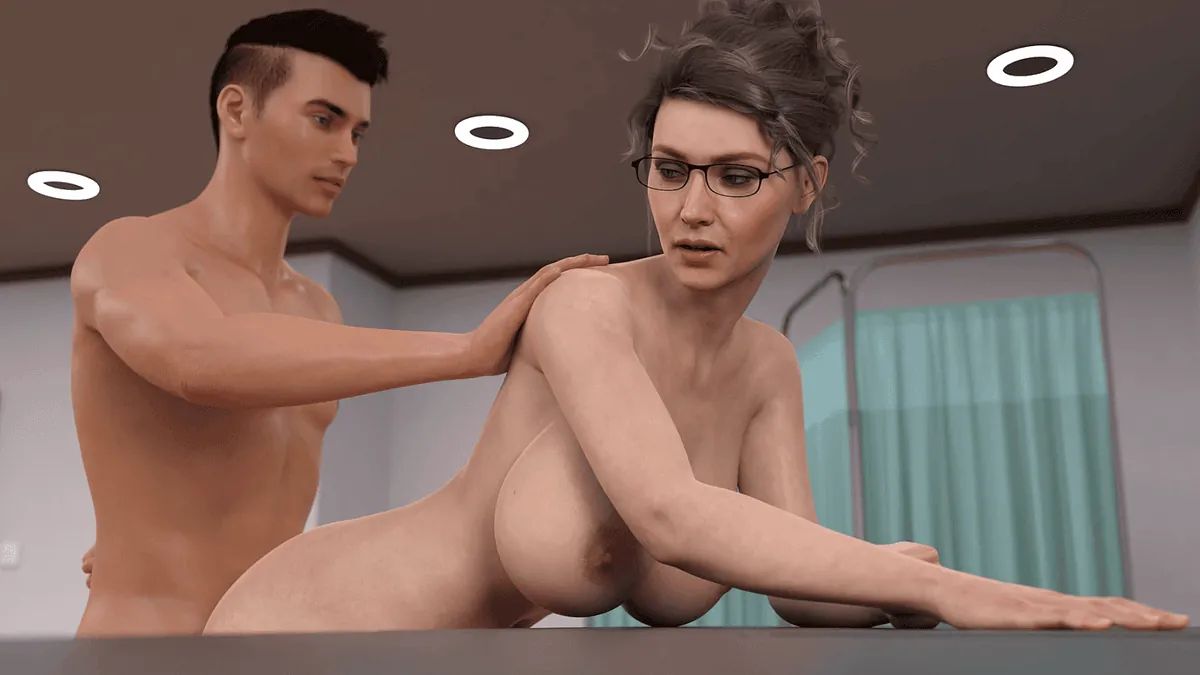
Only a Dream Screenshots















Only a Dream review
Story, choices, and strategies to get the most out of Only a Dream
Only a Dream is a narrative-driven adult game that blends surreal dream logic with grounded character drama and choice-based progression. Players searching for Only a Dream usually want to know how its story unfolds, how decisions impact relationships, and what sets it apart from other visual experiences. In this guide, I’ll walk through how the game works, what makes its dream-focused storytelling compelling, and share personal-style insights and strategies drawn from a long-time fan’s perspective, so you can jump in with clear expectations and a plan to explore every path.
What Is Only a Dream and How Does It Work?
You’ve just stumbled upon a title that’s been whispered about in forums and recommended in deep corners of gaming communities. Maybe a friend mentioned it, or an algorithm, sensing your taste for something different, served it up. Your first question is probably the most important one: what is Only a Dream game? 🤔 Let’s pull back the curtain on this captivating experience.
At its heart, Only a Dream is a narrative journey that uses the canvas of sleep to explore desire, memory, and identity. It’s an adult visual novel that prioritizes psychological depth and character connection over simple titillation. Think of it less as a traditional “game” with scores and fails, and more as an interactive, choose-your-own-path novel where your decisions subtly reshape a surreal, unfolding drama. The core Only a Dream gameplay loop is built on reading, reflecting, and choosing, making it a perfect fit for players who love to get lost in a well-told story.
Only a Dream Overview: Setting, Tone, and Main Premise
The premise of Only a Dream is immediately intriguing. You step into the shoes of a protagonist whose waking life feels increasingly distant, overshadowed by vivid, recurring dreams. Each night, you are drawn back into a shifting, surreal dreamscape where the rules of reality don’t apply. 🌌 The line between a sleeping and waking state blurs, and you encounter a cast of mysterious, alluring, and sometimes unsettling figures who seem to know more about you than you do yourself.
The Only a Dream story isn’t about a single, linear plot. It’s a tapestry of interconnected sequences and character arcs that respond to your presence. One night you might find yourself in a serene, moonlit garden in deep conversation; the next, you could be navigating a labyrinthine library or a bustling, impossible city. The setting is a character in itself—fluid, symbolic, and deeply tied to the protagonist’s inner world.
The tone is a masterful blend. There’s a palpable erotic tension, sure, but it’s woven seamlessly with a psychological mystery and genuine emotional drama. Is this just a dream? Are these encounters fragments of memory, manifestations of desire, or something more? The game doesn’t hand you easy answers. It creates an atmosphere of intimate suspense, where every whispered conversation and charged glance feels significant. This careful balance is a key part of any genuine Only a Dream game review—it’s a story that engages your heart and your mind.
Core Gameplay Loop: How a Typical Session Unfolds
If you’re new to narrative-focused games, you might wonder how this all works in practice. The Only a Dream gameplay is elegant in its simplicity, designed to keep you immersed in the story. Here’s how a typical session unfolds, step by step:
-
Entering the Dream: A session usually represents one “night” or dream cycle. You’ll start from a simple menu or hub, often your character’s bedroom, and choose to begin dreaming. The transition is where the magic starts—the visuals and text work together to pull you into the otherworldly setting.
-
Reading and Absorbing: The bulk of your time is spent reading beautifully crafted dialogue and descriptive text. This is where the Only a Dream story unfolds. Pay close attention! The writing is layered with nuance, foreshadowing, and emotional cues. The characters you meet will react to you, share secrets, and pose questions that demand more than a superficial answer.
-
Making Meaningful Choices: At key moments, the text will pause, and you’ll be presented with dialogue or action choices. These aren’t always obvious “good vs. bad” options. Instead, they might reflect different aspects of your personality: be bold or reserved, trusting or skeptical, passionate or analytical. A choice to comfort a character might lead to a moment of vulnerability, while a choice to challenge them could unlock a hidden facet of their personality.
-
Witnessing the Consequences: The game immediately shows you the result of your choice. A character’s expression might change, the scene could shift, or a new path of dialogue opens up. Your decisions branch the narrative, locking and unlocking potential scenes and endings. A choice made in an early dream can echo several “nights” later in a surprising way.
-
Managing Progression: After a dream sequence ends, you return to a hub. Here, you can save your game, reload previous saves to try different choices, or view a gallery of unlocked scenes and artwork. This structure explicitly encourages replayability. You’re meant to go back, make different choices, and see how the dreamscape transforms.
To visualize this flow, here’s a breakdown of the core cycle:
| Phase | Player Action | Game Outcome |
|---|---|---|
| Initiation | Start a new dream cycle from the hub. | You are immersed in a new surreal setting. |
| Exploration | Read descriptive text and character dialogue. | The story and mood are established; clues are seeded. |
| Choice | Select from 2-4 narrative options at key moments. | The game records your decision and adjusts character rapport and story flags. |
| Consequence | Continue reading the immediate result. | The scene evolves uniquely, leading to new dialogue, scenes, or endings. |
| Reflection | Return to hub, save, and optionally replay. | You solidify your unique path or plan a new approach for next time. |
This loop is the heartbeat of the experience. It’s relaxing yet engaging, perfect for players who want to unwind with a compelling story they can directly influence. 🛋️✨
Now, let me share a personal blunder that taught me everything about how to approach this game. On my very first run, I was curious and a little impatient. I treated the Only a Dream gameplay like a task list, clicking through dialogue quickly to “see what happens.” I made choices based on a vague idea of who I thought the protagonist should be, not really soaking in the subtext.
I reached an ending. It was fine, but it felt abrupt and a little hollow. Something was missing. On a whim, I started a new save, determined to slow down. This time, I read every line. I noticed how a character’s seemingly off-hand remark in the second dream perfectly explained their fearful reaction in the fifth. I saw how my flippant choice earlier had closed off a thread of tenderness later on. The second playthrough wasn’t just different; it was richer. The surreal elements clicked into place, feeling less random and more like a coherent, personal symbolism. The game rewarded my patience with profound “aha!” moments. 🙌
My Tip: Don’t rush your first playthrough of Only a Dream, but do plan on playing it more than once. Your initial, instinctive choices create a powerful personal story, while subsequent replays reveal the breathtaking scope and clever design the developers crafted.
To crystallize what makes this adult visual novel tick, here are its core pillars:
- The Dream Motif: 🎭 A genius narrative device that allows for limitless, symbolic settings and deep psychological exploration.
- Character-Focused Writing: 💞 Relationships develop through conversation and shared moments, building real emotional investment.
- Atmospheric Tone: A sophisticated blend of mystery, desire, and drama that feels truly adult.
- High Replay Value: 🔀 The branching narrative, seeded from early choices, demands multiple playthroughs to fully appreciate.
Why Only a Dream Stands Out Among Story-First Games
The market for adult visual novels and narrative games is vast, but Only a Dream carves out a unique space. Many story-driven games offer choices, and many adult games offer romance or intimacy. This game merges those ideas into something more ambitious: a psychological tapestry.
Where other games might use a contemporary or fantasy setting, Only a Dream uses the dreamscape. This isn’t just an aesthetic choice; it’s foundational to the Only a Dream story. It allows the game to explore themes of subconscious desire, repressed memory, and fluid identity in a way that feels organic and hauntingly beautiful. The “replay value” isn’t just about seeing different romantic outcomes; it’s about piecing together the deeper mystery from different angles, like turning a prism to see new colors. 🌈
Let’s look at a brief, narrative example of how this feels in practice:
Example: A Single Dream Cycle
You find yourself standing on a stone bridge over a slow, ink-black river. A figure you’ve met before—Elara—is there, tracing patterns on the railing. She speaks of things forgotten. The text asks: How do you respond?
* Choice A: “I forget things too. It’s easier.” (Resigned, empathetic)
* Choice B: “Nothing is truly forgotten. It’s just hidden.” (Inquisitive, probing)
* Choice C: Reach out and gently still her hand. (Intimate, action-oriented)
If you choose A, she might smile sadly and share a fragment of a melancholic memory, strengthening a bond of shared solace. If you choose B, her eyes might sharpen, and she could challenge you with a philosophical riddle, unlocking a path toward uncovering hidden lore. Choice C could startle her, leading to a charged, silent moment that dramatically shifts the romantic tension between you. Each path leads to a completely different next scene in this dream and alters her availability for future encounters.
This example shows the Only a Dream gameplay in microcosm: evocative setting, character-driven interaction, and choices that are meaningfully distinct in tone and consequence.
In summary, this Only a Dream game review chapter aims to show you that Only a Dream is a special experience. It’s for the player who loves to read between the lines, who enjoys the slow burn of a mystery, and who finds satisfaction in seeing how small decisions ripple through a complex narrative. It’s not about winning or losing; it’s about exploring, understanding, and feeling.
If you approach it with curiosity and patience, you’ll find one of the most thoughtfully crafted and emotionally resonant story-first games available. Your journey into the dream is waiting. What will you discover about yourself? 🌙
Only a Dream is at its best when you give yourself time to sit with its strange dream world, explore its branching scenes, and get to know its cast through patient, curious play. By understanding the basic loop, paying attention to subtle details in dialogue, and embracing multiple runs instead of chasing a single perfect route, you can uncover far more depth than a quick glance suggests. If the mix of intimate character drama, surreal dreams, and consequence-driven choices appeals to you, Only a Dream is worth diving into and revisiting whenever you want to see how different decisions reshape the same night.