Play Steps of Debauchery
Steps of Debauchery Screenshots

















Steps of Debauchery review
Honest look at gameplay, choices, and progression in Steps of Debauchery
Steps of Debauchery is an adult-themed life simulator that mixes slice‑of‑life storytelling with branching choices, daily routines, and a slow‑burn progression system. In this guide, I’ll walk you through how Steps of Debauchery actually plays, how the story unfolds, and what to expect from its systems and pacing. Rather than just repeating the store description, I’ll share real gameplay impressions, highlight practical tips for first‑time players, and point out a few moments where the game surprised me. If you’re wondering whether Steps of Debauchery is worth your time, this breakdown is for you.
What Is Steps of Debauchery and How Does It Play?
Let’s be honest: when you first hear about Steps of Debauchery, you might have a certain expectation. Another adult game, right? But boot it up, and you quickly realize it’s something else entirely. This isn’t a quick-click experience; it’s a full-fledged, surprisingly deep adult life sim game that asks you to live in its world. My initial hours with Steps of Debauchery gameplay were a lesson in patience and curiosity, and that’s what makes it uniquely compelling. It’s less about immediate payoff and more about the slow, tantalizing journey of a character balancing a normal life with growing temptations. If you’re wondering how to play Steps of Debauchery, the answer is: you live it. 🎮
This Steps of Debauchery overview will pull back the curtain on the daily grind, the strategic choices, and the satisfying (if sometimes slow-burn) progression that defines the experience. Forget linear paths; here, you earn every story beat.
Core premise and story setup in Steps of Debauchery 🎭
At its heart, Steps of Debauchery is a narrative-driven life simulator. You step into the shoes of a young woman navigating the complexities of university life, part-time work, and a vibrant (and sometimes overwhelming) social scene. The core premise is deceptively simple: manage your time, build relationships, and explore your character’s boundaries. The Steps of Debauchery story isn’t delivered in big, cinematic chunks from the get-go. Instead, it’s woven into the fabric of everyday activities—a suggestive comment after class, a charged moment during a late shift at the bar, or a risky decision made out of boredom or curiosity.
The tone is key. This isn’t a game about forced scenarios; it leans heavily into themes of temptation, personal discovery, and gradual escalation. The narrative tension comes from the clash between societal expectations and private desire. You’ll spend your early days attending lectures, chatting with roommates, and working a mundane job. But through these routines, you’ll meet characters who hint at more, and you’ll be presented with small, seemingly innocent choices that plant seeds for later.
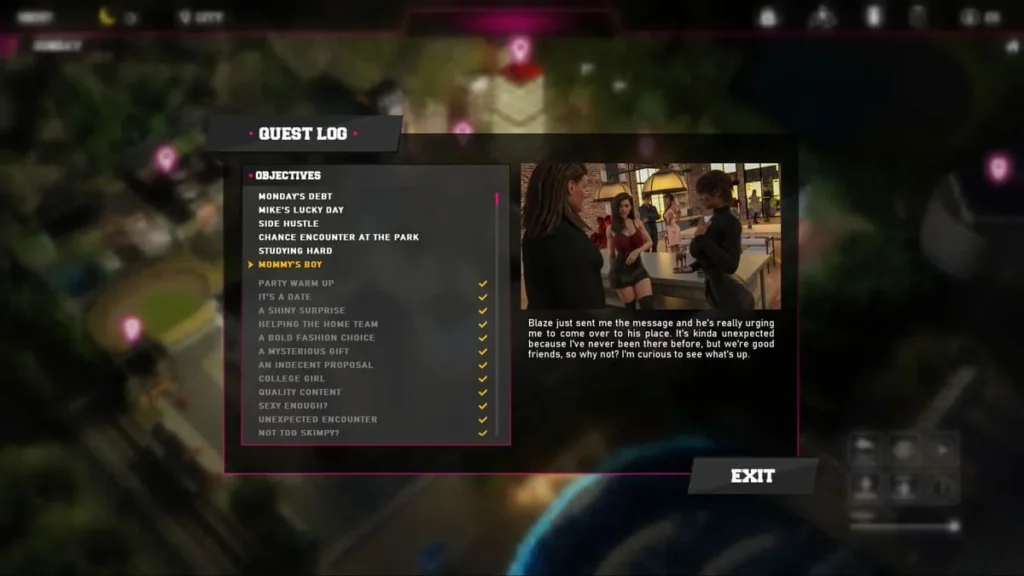
Let me give you an example from my own playthrough. A typical early-game day started with my character waking up in her bedroom. After checking her phone for messages (a crucial habit!), she headed to the kitchen for a rushed breakfast, then off to university. In class, a brief interaction with a classmate wasn’t just filler; it increased a hidden “familiarity” stat. Later, a shift at the local bar involved serving customers, but choosing to engage in flirty dialogue with a regular opened a new branch of conversation. The day ended back at home, with the option to study, relax, or go online. Nothing “explosive” happened, but the game was quietly tracking my choices, laying the groundwork. Progression in this adult life sim game is intrinsically tied to this repetition and routine. You need to show up, do the “boring” stuff, and through that consistency, you’ll trigger new dialogue options, unlock locations, and reach narrative milestones.
How the daily routine and locations shape the experience 🗺️⏰
The world of Steps of Debauchery is built around a familiar yet effective map system. Your daily life unfolds across a handful of key locations, each serving as a stage for specific types of interactions and story progression. Mastering the rhythm between these spots is the essence of how to play Steps of Debauchery successfully.
You’ll navigate via a simple menu, choosing a location and then a specific room within it. Time advances with each move, and managing this resource is your primary strategic concern. Certain events only happen in the afternoon. Work shifts block off your evenings. Do you skip the gym to study for an exam, or sacrifice study time to hang out at the park where you might run into someone interesting? This constant, low-pressure trade-off is what gives the game its life-sim authenticity.
Here’s a breakdown of the main locations and their roles:
- Home (Bedroom, Kitchen, Living Room, Bathroom): Your sanctuary and starting point. Here you sleep to advance days, check your phone for vital text-based story triggers, change clothes, and interact with housemates for slice-of-life scenes that build foundational relationships.
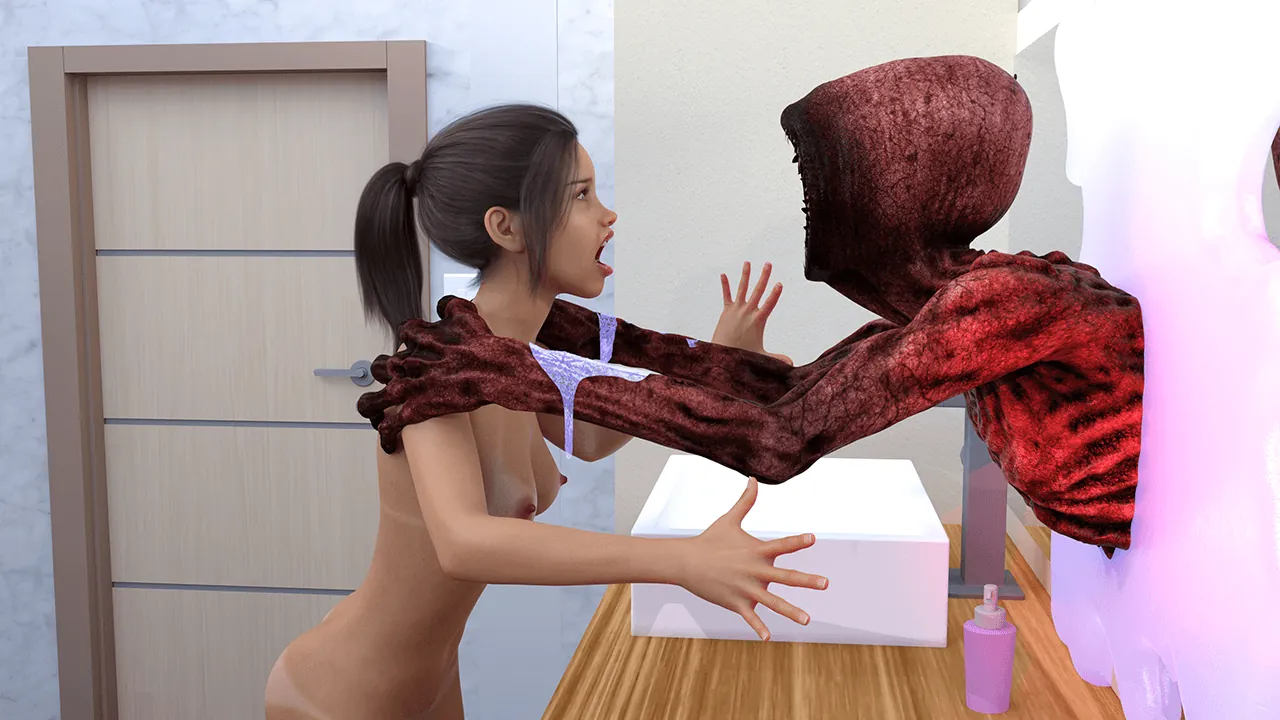
- University (Classroom, Ladies’ Room): The center of your “official” life. Attending class is a recurring activity that progresses main story threads. The ladies’ room, however, often becomes a spot for more private, unexpected encounters and conversations.
- The Bar: Your part-time workplace. Shifts here are a major gateway for meeting a diverse cast of characters. Performing your job well (or perhaps unconventionally) opens up new dialogue paths and can lead to after-work invitations.
- Gym & Sauna: A location for self-improvement and, increasingly, social exploration. Repeated visits here improve your character’s stats and lead to encounters that blur the line between fitness and flirtation.
- The Park: A public, daytime location perfect for chance meetings. Visiting at different times can yield completely different interactions, making it a great place for experimentation.
To visualize how these locations drive the core loop, consider this daily structure:
| Time of Day | Primary Location | Key Activity & Purpose |
|---|---|---|
| Morning | Home, University | Start the day, check phone messages, attend class for story progression. |
| Afternoon | University, Park, Gym | Follow up on story leads, explore public locations for random events, build character stats. |
| Evening | Bar, Home, Sauna | Work shifts for money and character interactions, or pursue private/social activities to unlock new scenes. |
The magic—and sometimes the grind—of Steps of Debauchery gameplay is that repeating these small tasks is necessary. You might need to work three shifts at the bar before a particular patron opens up to you. You may need to visit the gym five times before a new training “option” appears. This design creates a genuine sense of time passing and relationships developing organically, which is a cornerstone of this adult life sim game‘s appeal.
Why the pacing and structure feel different from other games 🐢⚡
If you’re coming from more traditional, linear visual novels, the pacing in Steps of Debauchery can feel like a gear shift. This isn’t a book you simply read from page to page. It’s a sandbox where the story is buried under layers of daily life, and you need to dig for it. For some players, this is a brilliant design that makes every discovery feel earned. For others craving a direct narrative, the initial repetition can feel slow. Based on my Steps of Debauchery review experience, falling into the former camp requires a slight mindset adjustment.
The structure rewards curiosity and punishes passivity. In a linear game, you click through to the next story beat. In Steps of Debauchery, you might need to loop through two in-game days of routine before a choice you made three days ago finally bears fruit. I remember my first few sessions vividly. I went to class, I worked, I went home. Rinse and repeat. It felt mundane, and I wondered when the “game” would start. Then, on the fourth day, because I had consistently chosen friendly dialogue options with my bartender colleague, he invited me to hang out after our shift. That one invitation cascaded into a whole new story branch I didn’t even know existed. The payoff was immensely satisfying precisely because I had lived those previous, quieter days.
This is why the game heavily encourages experimentation. The path isn’t always clear. What happens if you skip class to go to the park in the morning? What if you visit the sauna late at night instead of after the gym? What changes if you choose the sarcastic reply instead of the polite one? The narrative is a web, not a line.
Practical advice for new players? Embrace the grind at first. Be patient. Treat your first week in-game as a period of exploration and foundation-building. Always check your phone messages—they are critical guides. If you feel stuck, revisit key locations after a main story milestone; new options often appear. And don’t be afraid to just sleep and advance the day; sometimes time itself is the trigger you need.
To tie it all together, let’s walk through a condensed example of a mid-game day, showcasing how these elements fuse:
🌅 Morning: Wake up. A text message from a university friend hints at plans later. Instead of rushing to class, you spend extra time in the living room with your housemate, deepening that relationship stat.
🏫 Late Morning: Attend your lecture. A brief cutscene plays, advancing a subplot about an upcoming exam.
🌳 Afternoon: Free time. You recall seeing a particular character at the park around this time last week. You head there and, sure enough, a new interactive scene triggers, unlocking a private conversation option for future encounters.
🍸 Evening: Your bar shift. Because you’ve worked several shifts before, the manager now trusts you to handle closing. This new responsibility leads to a unique scene after hours with a lingering customer, directly progressing a romantic subplot.
🌙 Night: Home, exhausted. You check your phone—the friend from the morning text confirms plans for the weekend. The game doesn’t explicitly say “QUEST COMPLETE,” but you feel the tangible progress. Your world has expanded just a little bit more.
This loop—mundane on the surface, rich with potential beneath—is the soul of Steps of Debauchery. It’s a game that asks for your time and attention, and in return, it delivers a surprisingly immersive and personal story about choices and their consequences. It’s less about witnessing a narrative and more about authoring one through the quiet, cumulative power of daily life.
Steps of Debauchery is best approached as a slow‑burn life sim where the fun comes from watching small choices snowball into bigger, more daring storylines. When you accept the loop of classes, work, and exploration, the game starts to reward you with new scenes, character moments, and unexpected twists. If you enjoy experimenting with different paths, revisiting familiar locations, and gradually uncovering what each character has to offer, this title can be a surprisingly engaging way to spend an evening. Give yourself a few in‑game days to settle into the rhythm, and you’ll know whether its particular mix of routine and temptation is right for you.