Subverse Screenshots


Subverse review
A practical guide to gameplay, story, characters, and tips for Subverse players
Subverse is a hybrid tactical RPG and shoot-’em-up developed by FOW Interactive that blends story-driven visual novel elements with grid-based combat and arcade-style space shooter encounters, and it includes explicit adult content as a central feature. In this article I’ll walk you through the game’s core systems, narrative setting, standout characters, progression strategies, and my personal experiences playing key missions. Whether you’re evaluating Subverse before buying or looking to get more from your playthrough, this guide highlights actionable tips and setups that helped me progress faster and enjoy the story more.
Gameplay Systems and Mechanics in Subverse
Alright, captain, let’s cut through the nebula of chatter and get to the good stuff: how this game actually plays. If you’re like me, you dove into Subverse for a galaxy of certain… attractions… but found yourself surprisingly invested in the mission-to-mission action. The Subverse gameplay is a unique and rewarding blend of styles that, when mastered, makes unlocking all those prized scenes feel like a genuine accomplishment, not just a grind. 🚀
This chapter is your direct line to understanding the core systems. We’ll break down the combat, ace the shooter sections, and map out the path to all your rewards. Think of it as your unofficial F.I.L.F. field manual.
Overview: How grid combat, shmup segments, and Pandora interconnect
At its heart, Subverse gameplay is a three-part harmony. You have the stellar visual novel segments where the story, humor, and character bonds truly shine. These feed directly into the two core action loops: the turn-based Subverse grid combat and the intense side-scrolling shooter (shmup) sequences aboard your ship, the Mary Celeste.
Here’s how they all talk to each other:
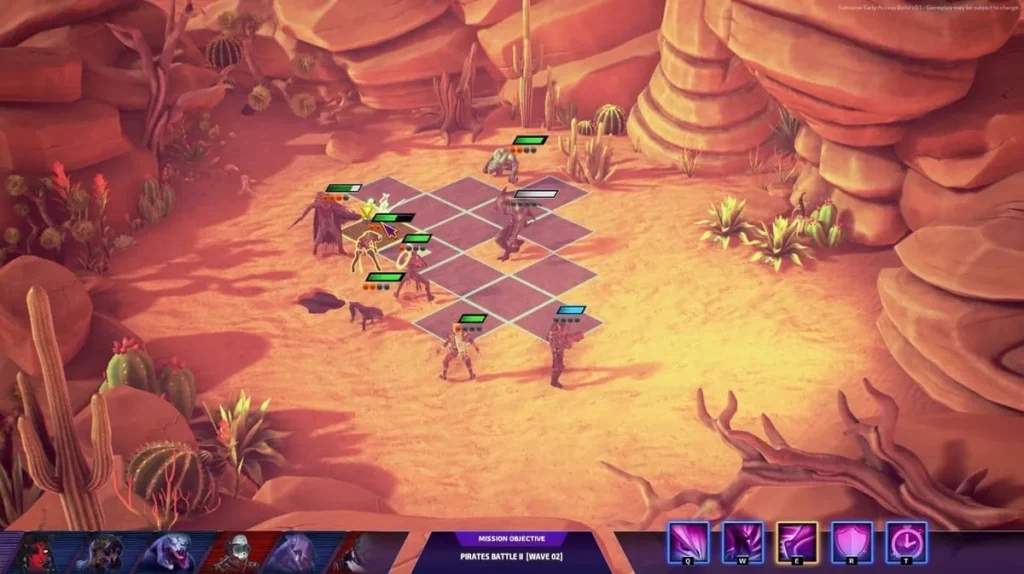
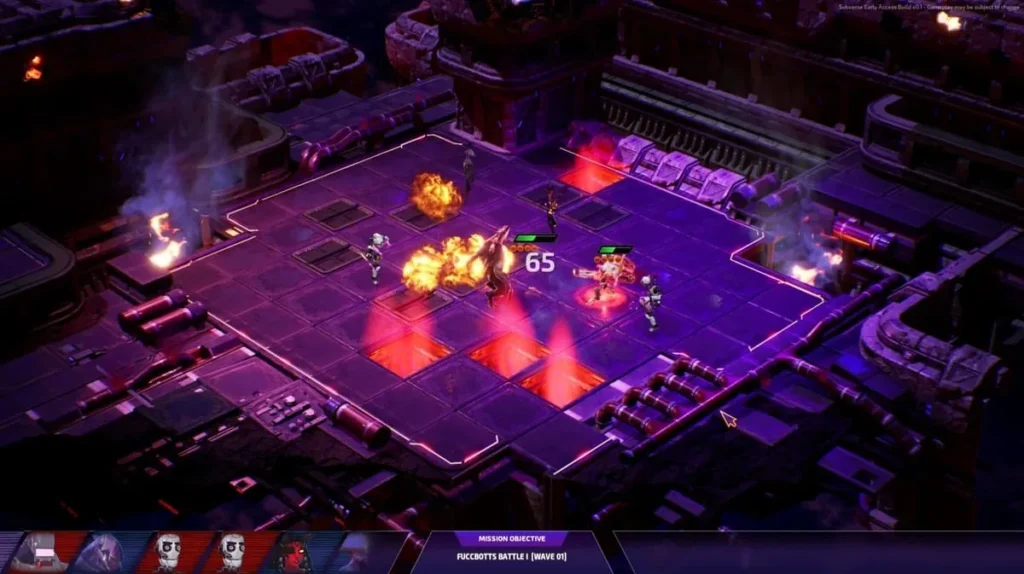
* Grid Combat is Your Tactical Playground: This is where you command your crew (or Waifus, as the game affectionately calls them) on hexagonal maps. It’s a turn-based system where positioning, ability synergy, and target priority are everything. Winning these battles cleanly is key to progression.
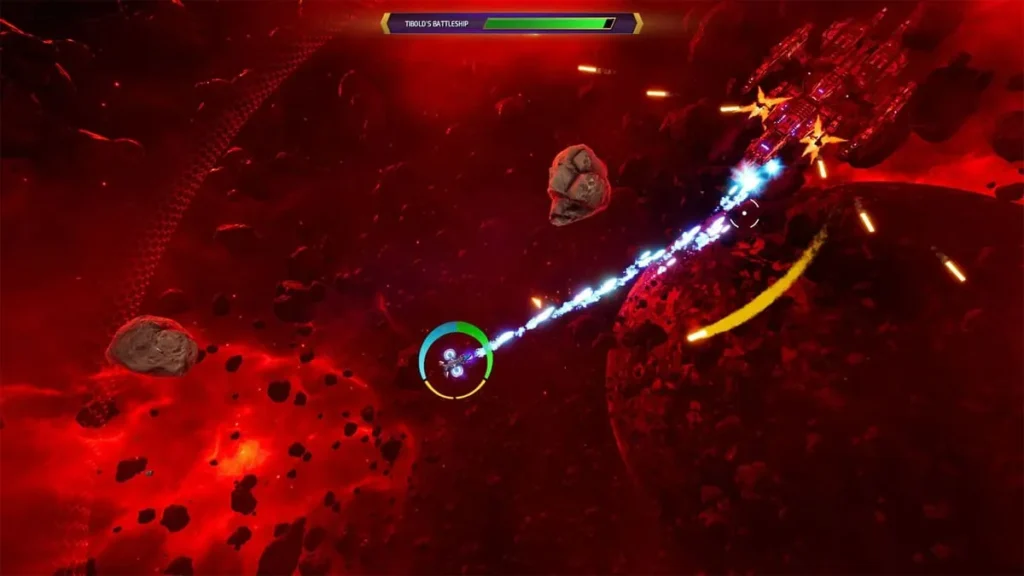
* Shmup Sections are Your Reflex Test: Piloting the Mary Celeste through waves of enemies is all about dodging, weaving, and unleashing hell. Your performance here, measured in a star rating, directly impacts your resource haul.
* The Pandora System is Your Reward Engine: This is the glorious meta-layer that ties everything together. Every battle you win, every mission you complete, and every interaction you have earns you F.E.T.I.S.H. points. These points fill the Subverse Pandora system meter for each crew member, unlocking their dedicated galleries of scenes and models. It brilliantly connects playing well with getting rewarded.
The tempo shifts between story, thoughtful grid strategy, and frantic shmup action keep the experience fresh. One moment you’re planning a flanking maneuver with Lily, the next you’re barrel-rolling through a meteor shower. It just works. ✨
Tactical tips: Effective strategies for grid battles and ship combat
This is where we separate the rookie space truckers from the seasoned captains. Let’s get tactical.
Mastering Subverse Grid Combat:
The Subverse grid combat can feel overwhelming at first, but a few core principles will see you through.
- Positioning is Paramount: Always end your turns behind cover! The line-of-sight system means a pillar or crate can mean the difference between a crew member taking a hit or laughing it off. Flanking enemies to get side or rear attack bonuses is also a massive damage boost.
- Control the Tempo with Reinforcements: Many battles have reinforcement spawners. My golden rule? Shut them down immediately. Sending a fast unit like Huntress to sprint over and destroy a spawner on Turn 1 is often better than shooting a grunt. It controls the enemy’s action economy, which is the real key to victory.
- Synergize Your Crew Abilities: This is the soul of great Subverse crew builds. Don’t just pick your favorites; pick a team that works together. For example, using Killi’s “Mark Target” on a tough enemy lets your entire team do increased damage to it. Follow up with a heavy hitter like Demi for massive burst damage.
I learned this synergy lesson the hard way on an early mission against waves of robotic foes. I was bringing my “A-team” based on personal preference and kept getting overwhelmed. I stalled. Finally, I switched to a build focused on area control: I used Blythe to drop her slowing poison fields on choke points and spawners, while Fortune used her long-range snipe to pick off key targets from safety. The mission went from impossible to manageable instantly. It was a lightbulb moment—strategy over brute force every time.
To help you plan, here’s a quick reference for crafting your own powerful Subverse crew builds:
| Role | Crew Member Examples | Key Abilities & Use Case |
|---|---|---|
| Damage Dealer 💥 | Demi, Huntress | High single-target damage. Use to eliminate priority targets (e.g., enemy snipers, spawners) quickly. |
| Tank / Crowd Control 🛡️ | Blythe, Killi | Can absorb damage or disrupt groups. Perfect for holding frontline positions and controlling enemy movement with slows or taunts. |
| Support / Technician ⚕️ | Fortune, Lily | Healing, buffs, or hacking. Essential for sustaining your team in long fights and disabling powerful enemy units. |
Acing the Subverse Shmup Tips:
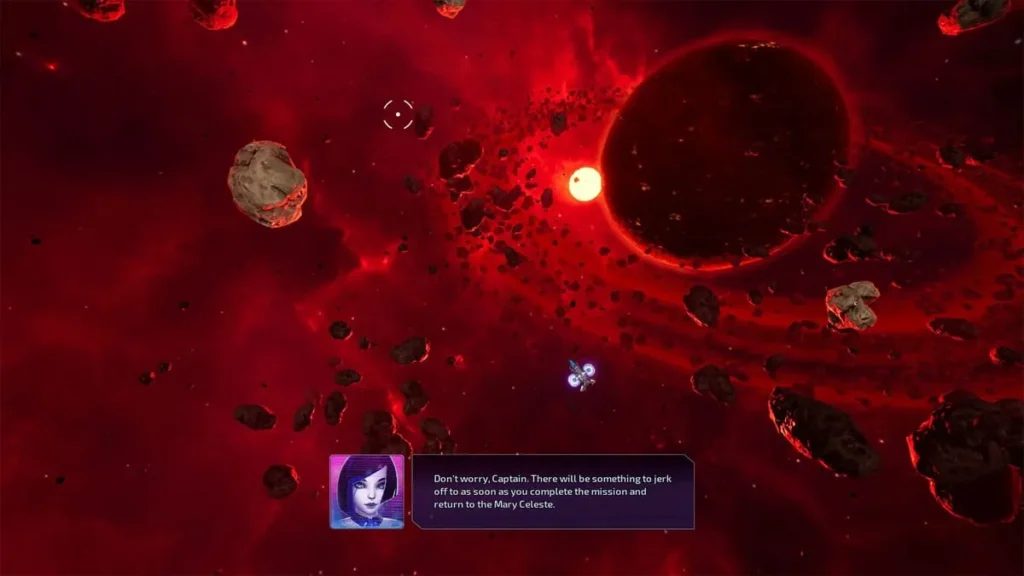
The Mary Celeste sections are pure, adrenaline-pumping arcade action. To score high and grab those precious resources, keep these Subverse shmup tips in mind:
- Movement is Your Primary Weapon: You are a tiny, agile ship in a sea of bullets. Constant, fluid movement is better than trying to tank hits. Weave through patterns rather than retreating to the bottom of the screen.
- Balance Your Weapon Modes: You have a standard spread shot and a focused laser. The spread is great for clearing small fries and collecting dropped power-ups. The laser does massive damage to elites and bosses. Switch constantly based on the threat on-screen.
- Collect Everything, Especially Gold: Destroyed enemies drop health, weapon upgrades, and gold. Gold is king! It directly translates into more resources at the end of the mission. Risk a bit to grab that floating gold, but never risk a life for it—a higher survival bonus is usually worth more.
Pro Tip: In shmup segments, destroying specific environmental objects or achieving certain goals (like no deaths) will net you “Manticore Modules,” special currencies for ship upgrades. Always check the mission bonus objectives!
Progression and rewards: Leveling, upgrades, and unlocking scenes
So, you’re winning battles and acing shmup segments. What does it all get you? Everything. Here’s the complete progression loop.
Your crew gains XP from every Subverse grid combat mission they participate in, leveling up and unlocking new, more powerful abilities. This is where your early Subverse crew builds evolve. You might find Fortune’s healing drone becomes indispensable, or Demi’s leap attack turns her into a mobile delete button.
Meanwhile, the resources (Credits, Biometal, Data) you earn from missions—bolstered by your shmup performance—are used for critical ship upgrades on the Mary Celeste. These aren’t just cosmetic; they make the shooter sections easier by increasing your firepower, defense, and special weapon capabilities. It’s a satisfying feedback loop: do well in shmups to upgrade your ship to do even better next time.
Now, for the main event: how to unlock scenes in Subverse. This is all about the Subverse Pandora system. Every story choice, completed mission, and collected item earns you F.E.T.I.S.H. points for a specific crew member. Fill their individual meter by engaging with them, and you’ll unlock tiers within their Pandora gallery. This includes stunning 3D model viewers and, of course, the signature scenes. The key is diversification. Playing favorites will max out one character quickly, but spreading the love (and completing missions with different crew loadouts) will steadily open up everyone’s galleries.
Quick-Fire Troubleshooting:
* Stuck on a Grid Mission? Re-evaluate your crew. Do you need more control? A healer? A different damage type? Destroy reinforcement spawners first.
* Getting Low Shmup Star Ratings? Focus on survival above all else. The “No Damage” and “No Deaths” bonuses are huge. Then work on gold collection.
* Low on Resources for Upgrades? Replay earlier shmup missions and focus purely on scoring higher. A 3-star run can yield significantly more than a 1-star scrape-by.
Mastering the Subverse gameplay pillars isn’t just about getting to the rewards; it makes the entire journey through this raunchy, hilarious galaxy a genuinely engaging and strategic experience. Now get out there, captain, and fill those Pandora meters! The final frontier awaits. 🌌
Subverse blends tactical grid combat, arcade-style shooter sequences, and story-heavy character interactions into a distinctive experience that rewards both tactical skill and time invested in crew relationships. This guide covered the primary gameplay systems, the narrative setting and major characters, development and community response, practical mid-to-late-game strategies, and safety considerations. Try the recommended crew builds and farming tactics, pace your story progression against resource needs, and use the troubleshooting checklist if you hit roadblocks. If you found these tips useful, try one of the sample loadouts in your next session and share your results with fellow players to refine your approach.