Play The Swordbearer
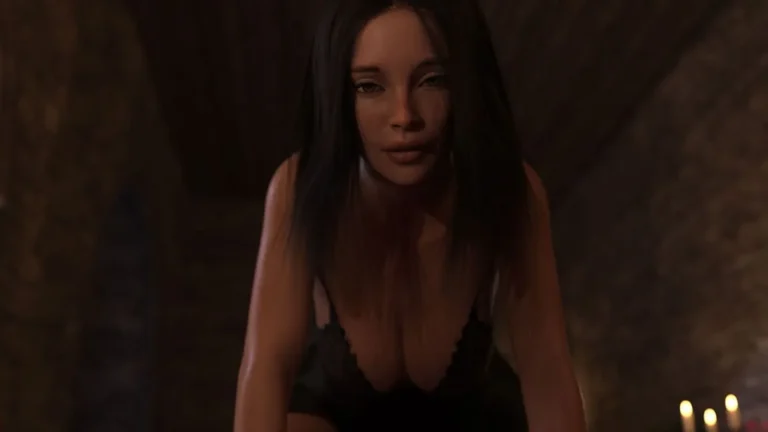
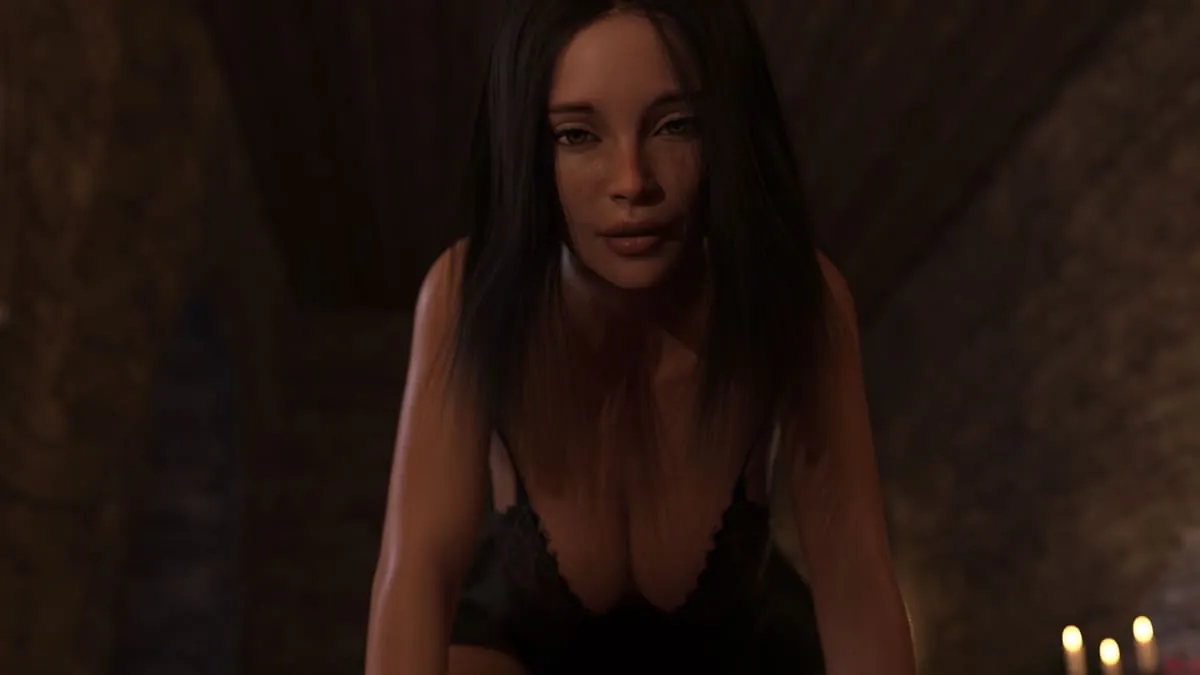
The Swordbearer Screenshots
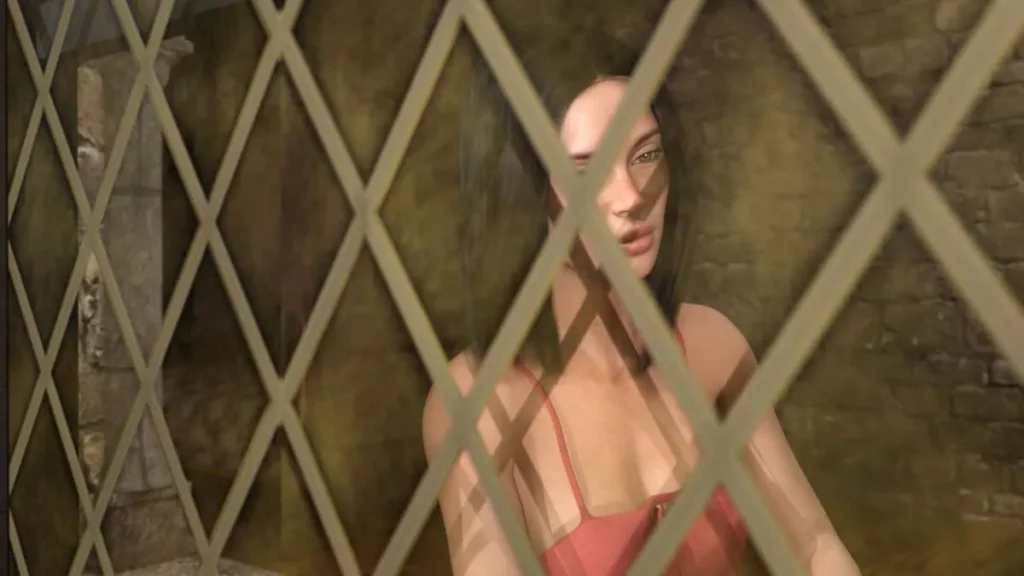


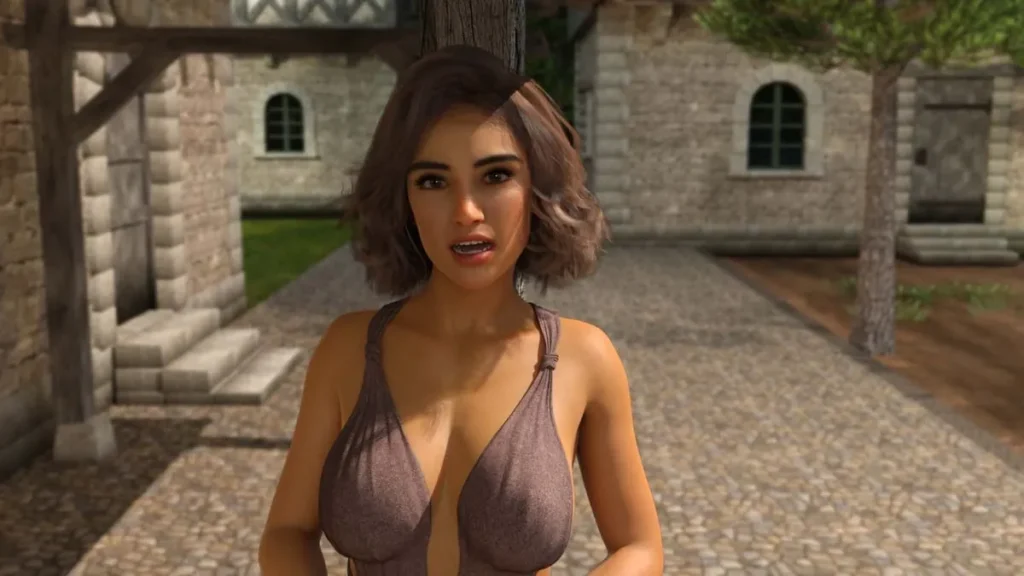
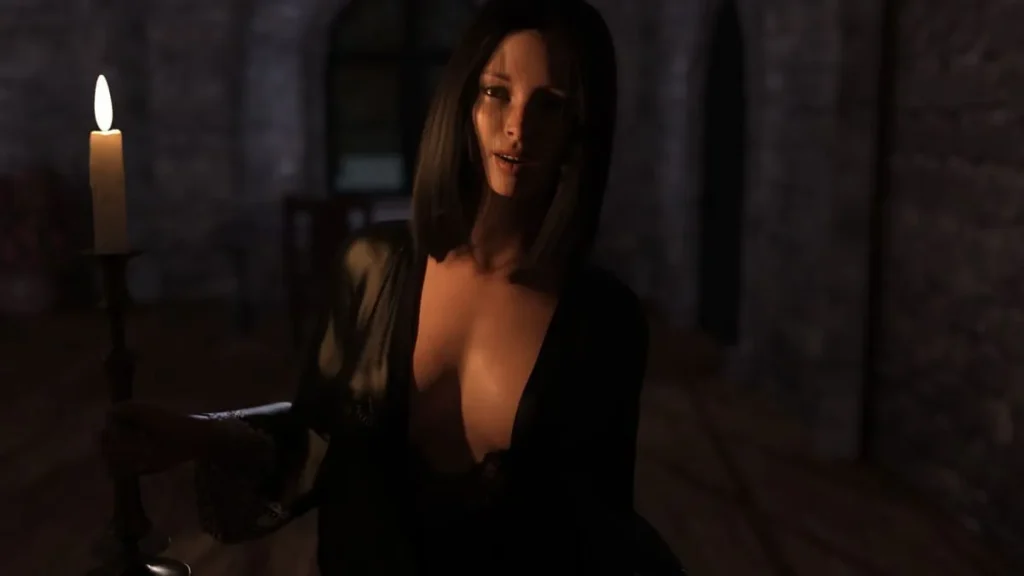
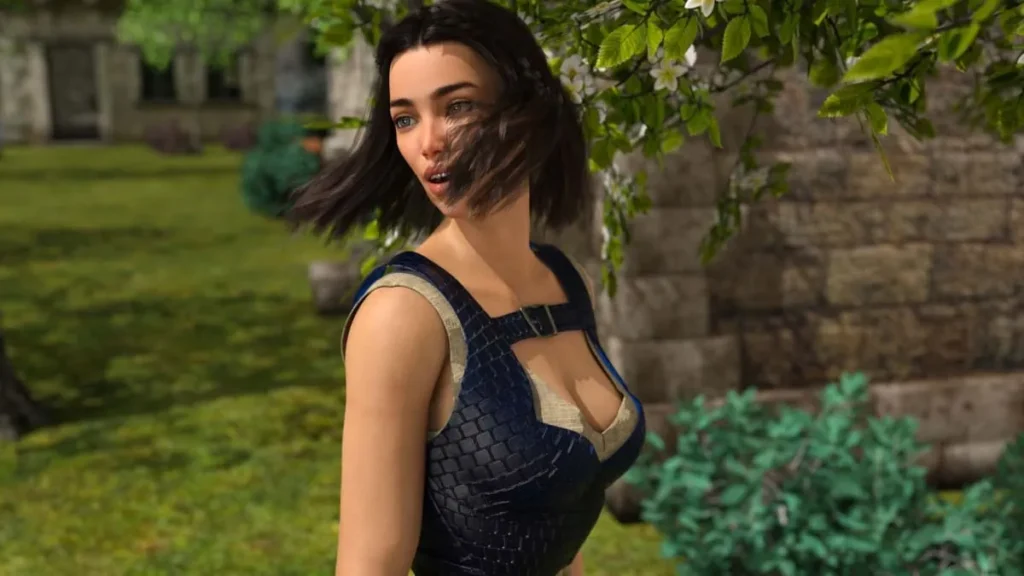
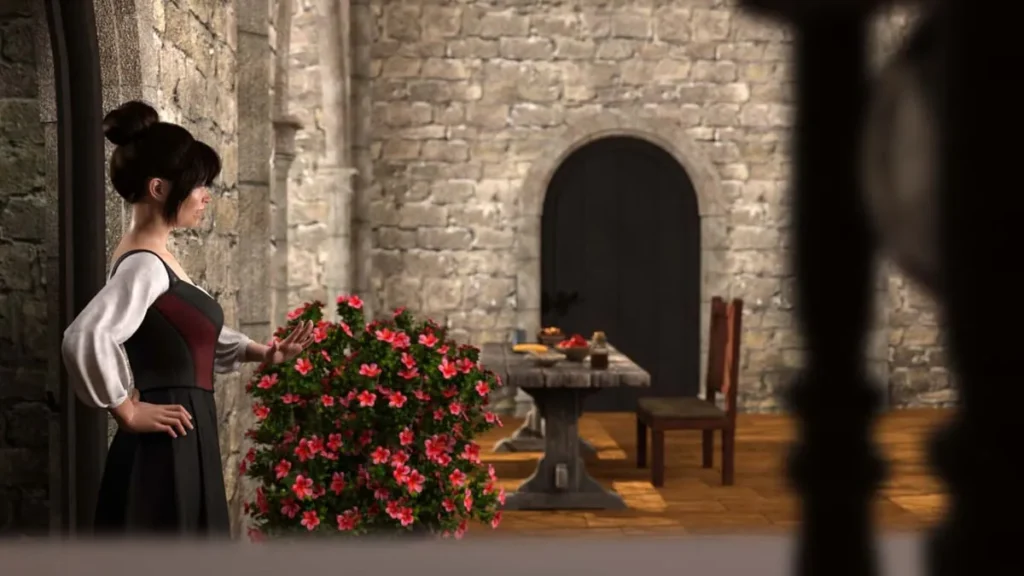
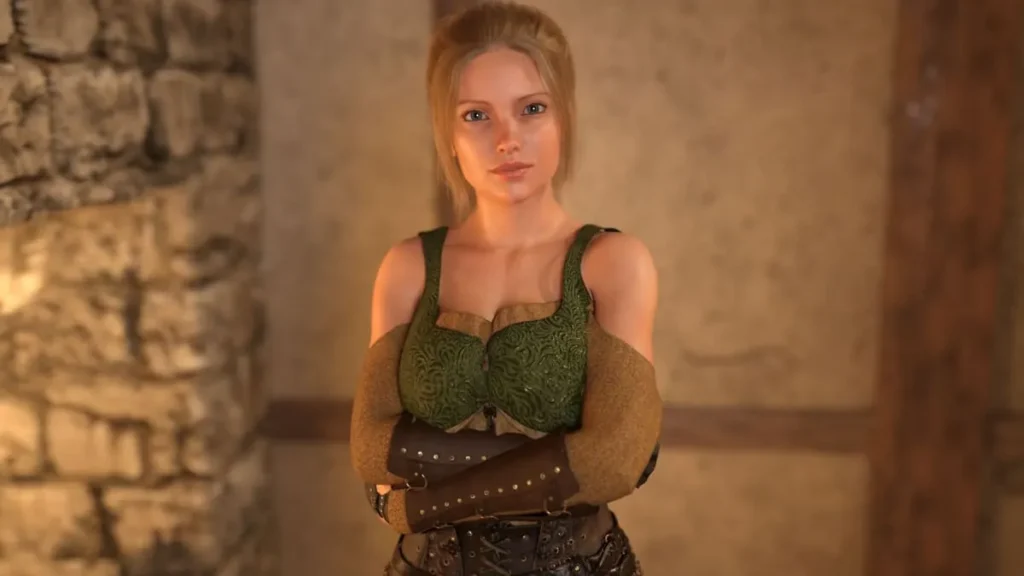


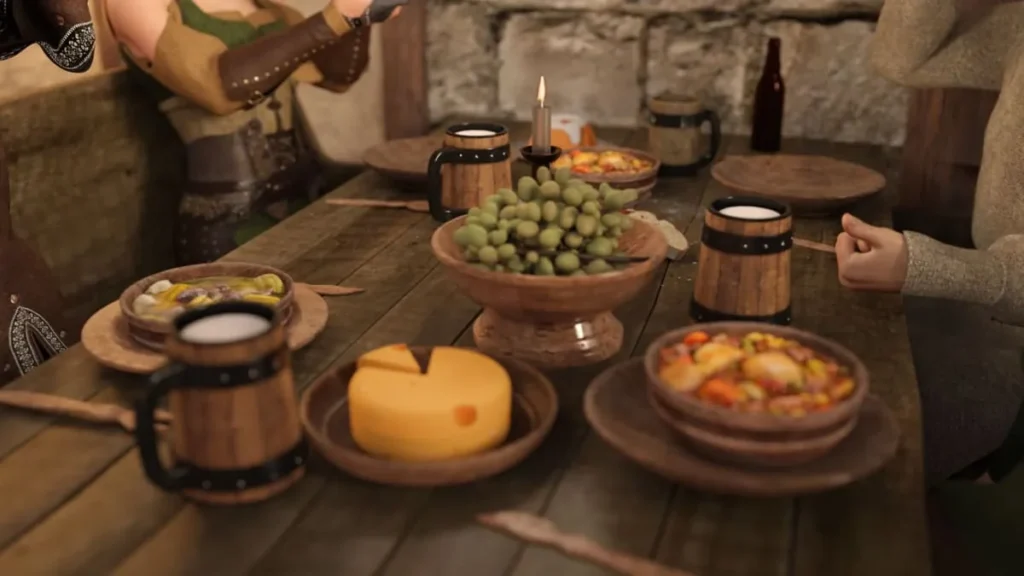
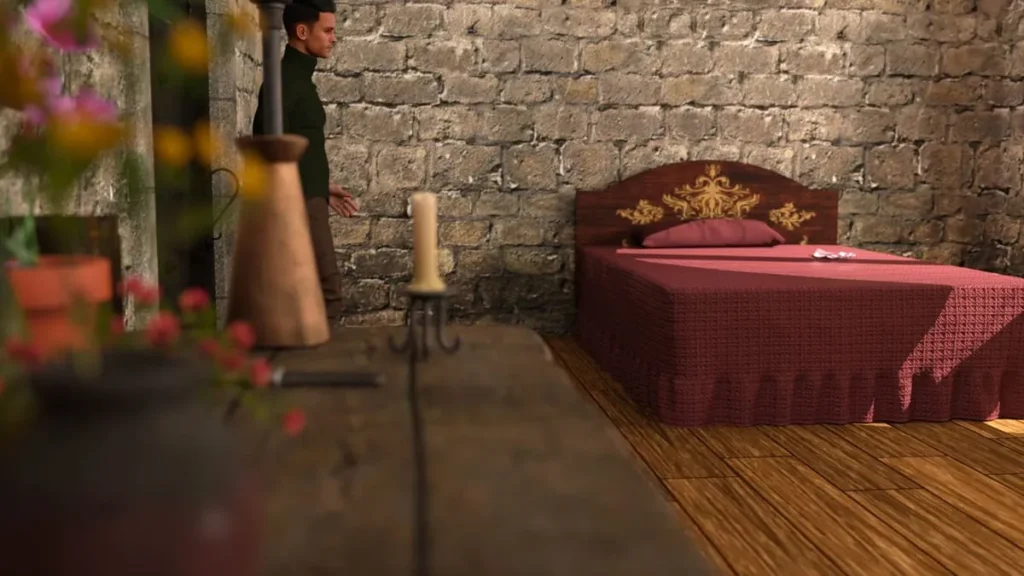

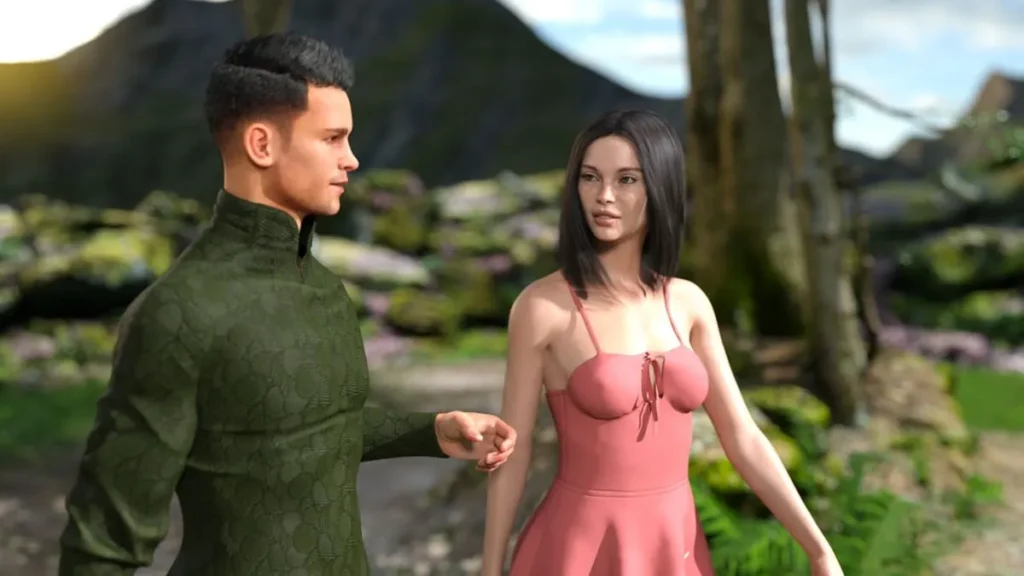

The Swordbearer review
Explore gameplay mechanics, characters, and what makes this adult visual novel a standout experience
The Swordbearer has emerged as a standout title in the adult visual novel genre, combining engaging storytelling with impressive visual design. This game follows a young adventurer who inherits a sword and embarks on a journey after joining the Knights Guild in a fantasy capital. What sets The Swordbearer apart from other titles in its category is its unique blend of humor, character development, and technical excellence. Whether you’re curious about the gameplay mechanics, character interactions, or what makes the visual presentation so compelling, this guide covers everything you need to know about this distinctive gaming experience.
Gameplay Experience and Story Structure
Stepping into The Swordbearer gameplay for the first time, I was braced for a fairly standard fantasy romp. You know the drill: noble quest, ancient evil, a straightforward path to heroism. What I wasn’t prepared for was the moment my supposedly destined, legendary blade was immediately rejected by the local blacksmith as a “rusty wall-hanger.” 😂 That’s the magic of this visual novel story right there—it sets up epic expectations, then delights in grounding them with a brilliant dose of humor and heart. Your journey isn’t just about bearing a magical sword; it’s about earning the right to do so, often while navigating embarrassingly funny mishaps and genuinely charming connections.
This Knights Guild adventure masterfully blends two compelling drives. Your primary goal is to prove yourself worthy of your inheritance and become a knight of renown. Woven seamlessly into this is the pursuit of romantic encounters with the fascinating characters you meet. What makes it special is that these threads aren’t separate; helping a fellow knight with a personal problem might strengthen your bond, and a lighthearted date might reveal a crucial clue about the larger mystery. The narrative pacing ensures you’re never bogged down in one tone for too long, creating a uniquely engaging experience that feels both exciting and warmly personal.
What to Expect from The Swordbearer’s Narrative
At its core, the premise is deceptively simple: you inherit a famous sword and join the illustrious Knights Guild to learn how to use it and uncover its secrets. But to call this a simple hero’s journey would be a massive disservice. The plot development in visual novels often lives or dies by how it uses its premise, and The Swordbearer uses its foundation to build something wonderfully multifaceted.
The story is a constant, engaging push-and-pull between grandeur and relatability. One scene might have you investigating ominous, ancient runes that hint at a forgotten cosmic threat 🪐. The very next, you could be stuck in the guild’s kitchen, desperately trying to follow a recipe for a “hero’s feast” to impress your comrades, only to end up with a charred mess that becomes the butt of jokes for days. This balance is intentional and brilliant. The high-stakes plot gives your actions weight, while the everyday moments and misadventures make you care about the world and its people.
The game understands that a legendary hero is still a person who has to deal with awkward introductions, boring chores, and figuring out where they fit in.
This structure keeps the narrative pacing brisk and absorbing. You’re not reading through endless pages of dry lore or repetitive side quests. Every segment of the story, whether advancing the main mystery or developing a relationship, feels purposeful. The game is excellent at doling out rewards—sometimes it’s a new clue about your sword’s origin, sometimes it’s a heartfelt confession from a character you’ve grown close to, and sometimes it’s just a perfectly timed joke that has you laughing out loud. This variety is key to maintaining player interest from start to finish.
Ultimately, the visual novel story succeeds because it makes you invested in both the what (saving the realm) and the who (the friends and potential partners you’re saving it with). Your dual goals of knighthood and romance aren’t competing; they’re complementary narratives that enrich each other, making the world feel alive and your role within it genuinely meaningful.
Character Development and Dialogue Quality
If the plot is the skeleton of The Swordbearer, then the character dialogue and banter are its beating heart and vibrant soul. This is where the game truly shines, transforming from a good story into a memorable experience. The characters you meet at the Knights Guild and beyond aren’t just archetypes or romance options; they feel like distinct individuals with their own quirks, insecurities, dreams, and hilarious ways of giving you a hard time.
Let’s talk about the banter, because it’s some of the best I’ve encountered. The writing is sharp, witty, and feels incredibly natural. Character interactions are rarely just exchanges of information; they’re opportunities for personality to shine. For instance, after a tense training session, a stoic knight might try to offer you serious combat advice, only for a more mischievous companion to interject with a sarcastic comment about your form, leading to a playful argument that reveals their long-standing friendship and competitive dynamic. This does two things: it makes you laugh, and it effortlessly builds the world and relationships around you without a single block of exposition.
Here’s a specific example: Early on, you might be on a patrol with two fellow recruits. The conversation starts about tracking mundane wildlife, but through their bickering about proper technique and recalling past blunders, you learn about the guild’s hierarchy, their personal histories with each other, and even a subtle hint about strange activity in the woods. The plot development in visual novels happens organically through character, not apart from it. You’re not being told the story; you’re overhearing it from people living it, which is infinitely more engaging.
The quality of character dialogue and banter directly fuels their development. As you spend time with each character, you witness their layers peel back. The confident noble might reveal deep-seated pressure to live up to family legacy. The aloof mage might slowly show a protective, almost nurturing side. These arcs feel earned because they’re built on hundreds of small interactions, jokes shared, and challenges faced together. You become invested not because the game tells you to be, but because you’ve genuinely gotten to know them.
To give you a clearer picture of the stellar cast driving this Knights Guild adventure, here’s a look at some key personalities you’ll bond with:
| Character | Role | Interaction Style |
|---|---|---|
| The Veteran Knight | Your sometimes-gruff, always-experienced mentor at the Guild. | Dry wit, hidden compassion. His advice is often buried in sarcastic remarks about your “enthusiastic” mistakes. |
| The Rival Recruit | A fellow newcomer with a competitive streak and a secret soft side. | Fiery banter that slowly mellows into mutual respect and playful teasing. Your progress pushes them to be better. |
| The Scholarly Mage | An expert on ancient lore, including the history of your sword. | Initially formal and data-driven, but opens up to reveal curiosity and dry humor during late-night research sessions. |
| The Quick-Witted Rogue | Not an official knight, but a invaluable (and charming) contact in the city. | Lighthearted, flirtatious, and always has a clever plan or a piece of crucial gossip that advances the plot. |
This focus on character interactions means every conversation is a delight. Whether you’re pursuing a romantic path or building a powerful friendship, the journey there is filled with authentic emotion and laugh-out-loud moments that make the world of The Swordbearer a place you’ll want to return to again and again.
Pacing and Player Engagement
One of the most common pitfalls for story-driven games is uneven pacing—long stretches of downtime that test your patience or, conversely, a breakneck plot that doesn’t let you breathe. The Swordbearer expertly navigates this tightrope. Its narrative pacing is a masterclass in maintaining player engagement by understanding the importance of rhythm and variety.
The game operates on a principle of “always something.” This doesn’t mean it’s constantly frantic; rather, it means there’s always a compelling reason to click forward. After a story beat that advances the serious, overarching mystery of the sword 🗡️, you’ll often be treated to a lighter moment back at the guild—maybe a celebratory meal, a personal favor for a comrade, or a choice about how to spend your free time. These segments are not filler; they are essential cooling-down periods that allow you to process the bigger events and, more importantly, deepen your bonds with the cast. This ebb and flow prevent burnout and keep both the plot and the relationships feeling fresh.
Player agency is a huge part of this engaging flow. While following the main story, you’re frequently presented with choices that affect the tone and direction of character interactions. Do you respond to a joke with a witty retort or a good-natured sigh? Do you offer to help a knight with their personal problem, or focus on your own training? These decisions rarely feel like they’re locking you into a “good” or “bad” path, but rather shaping the kind of hero and friend you are. This active participation makes you feel directly responsible for the story’s texture, skyrocketing investment.
The brilliance of the pacing is that it makes a 20-minute play session just as viable and satisfying as a 2-hour deep dive. You can make meaningful progress in a relationship or uncover a small but intriguing plot thread in a short sitting.
Furthermore, the game manages tone shifts with remarkable grace. Moving from a hilarious, slapstick-style mishap during training to a somber revelation about a character’s past should feel jarring, but it rarely does. The transitions work because the characters themselves bridge the gap. Their reactions feel authentic—the comic relief character might make a poorly-timed joke to deflect discomfort, revealing their own vulnerability. This ensures the world feels cohesive. The humor doesn’t undermine the stakes, and the serious moments are made more powerful because you’ve shared laughter with these characters first.
Ultimately, The Swordbearer gameplay loop is designed for sustained enjoyment. The quick pace, meaningful choices, and perfect blend of humor, heart, and intrigue create a cycle where you’re constantly asking, “What happens next?” Whether the next thing is a pivotal battle, a tender romantic scene, or just sharing a drink and a stupid story with your guild mates, it always feels worth discovering. This meticulous attention to the flow of experience is what transforms The Swordbearer from a simple visual novel into a standout adventure you’ll remember long after the final choice is made.
The Swordbearer stands out as a well-crafted adult visual novel that successfully balances humor, engaging storytelling, and technical excellence. From its compelling narrative about joining the Knights Guild to its impressive visual design and animation quality, the game delivers an experience that resonates with players. The character development, witty dialogue, and fast-paced gameplay create an entertaining journey that keeps players invested from start to finish. While there’s always room for enhancement, such as expanded voice acting, the game’s current strengths make it a standout choice for those seeking quality entertainment in the visual novel genre. If you’re interested in experiencing a game that combines genuine plot progression with impressive visual presentation and character charm, The Swordbearer offers a complete package worth exploring.