To Be A King – Volume 1 Screenshots




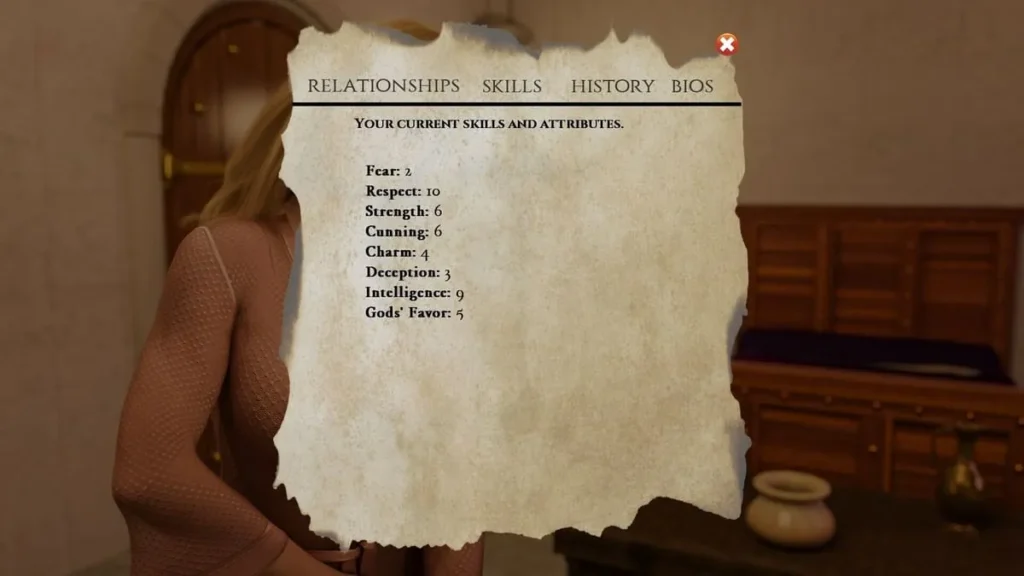
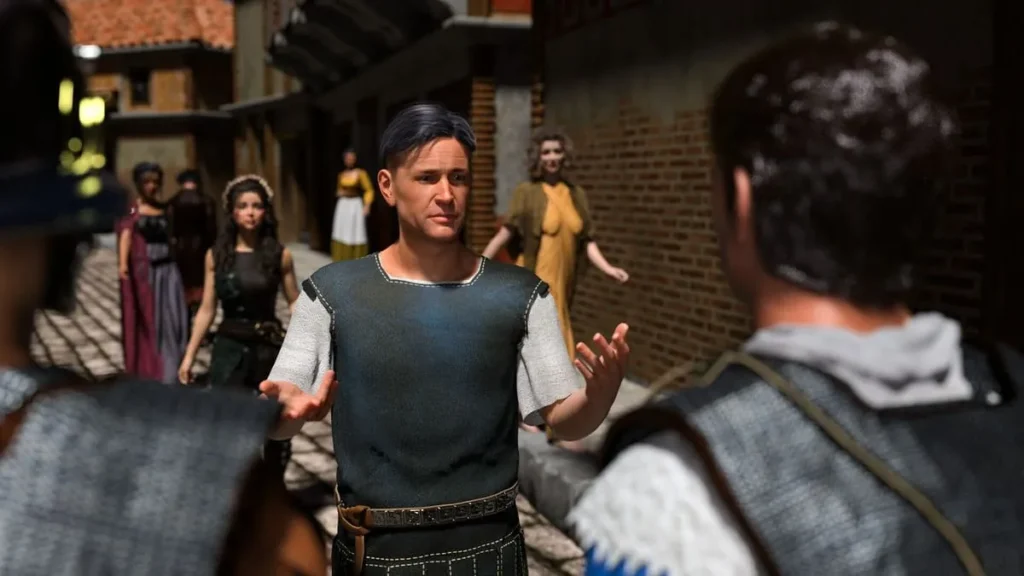
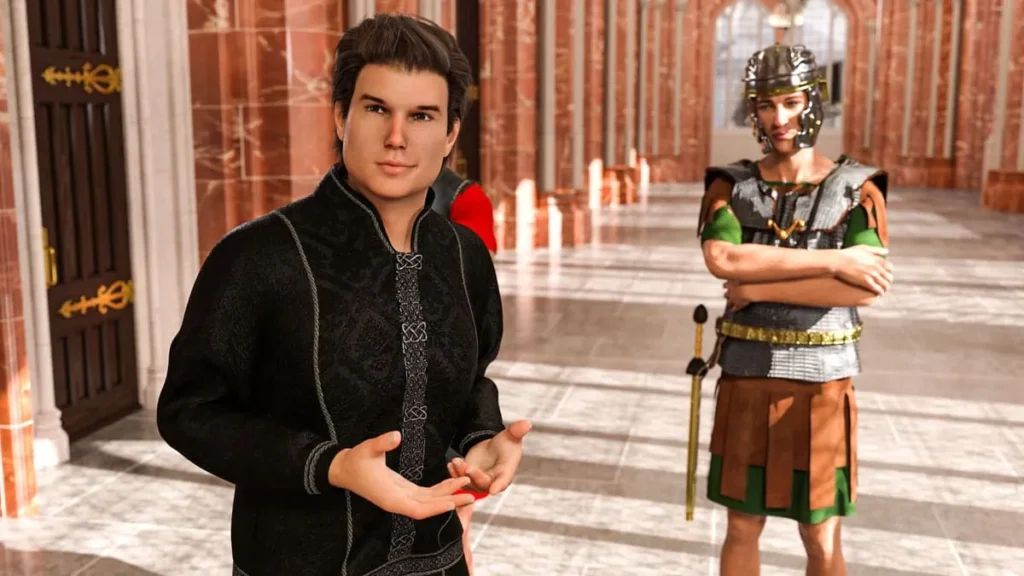
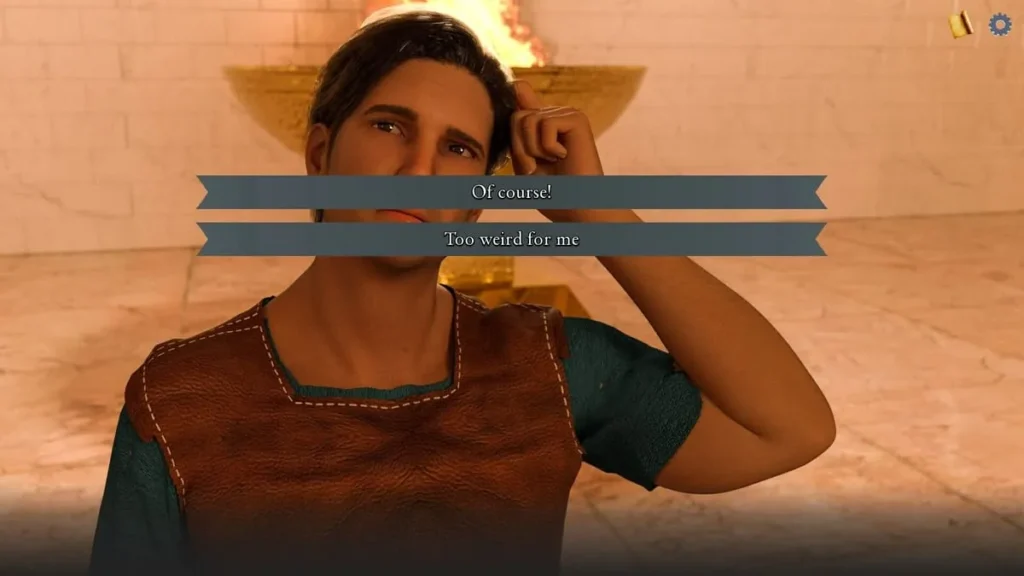






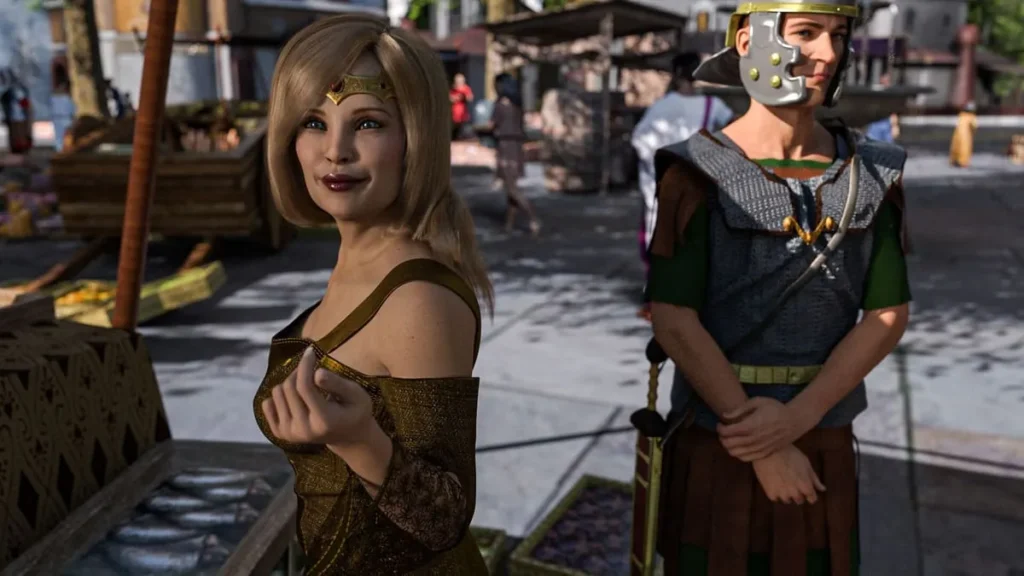




To Be A King – Volume 1 review
Master Empire Management, Political Intrigue, and Relationship Building in This Adult Visual Novel
To Be A King Volume 1 stands out as a richly detailed adult visual novel that combines strategic empire management with deep narrative storytelling. Players assume the role of a Roman emperor, navigating complex political landscapes while building relationships and expanding their influence. This guide explores the game’s core mechanics, relationship systems, empire management features, and what makes this visual novel a compelling experience for strategy and narrative enthusiasts. Whether you’re interested in political intrigue, relationship development, or managing a vast empire, this comprehensive overview covers everything you need to know about this immersive adult visual novel.
Gameplay Mechanics and Core Features of To Be A King Volume 1
So, you’ve installed To Be A King – Volume 1, drawn in by the promise of ruling an empire and captivating beautiful consorts. You click ‘New Game,’ expecting a straightforward path to glory. But within an hour, your granaries are empty, a senator is publicly accusing you of corruption, and the fierce Germanic warrior you tried to woo just threatened to skewer you with her own spear. 😅 Welcome to the true To Be A King Volume 1 gameplay experience. It’s not just about giving orders; it’s about surviving the whirlwind of responsibility, desire, and betrayal that comes with the crown.
This is where the game truly shines. It masterfully blends three intense, interlocking systems: the weighty strategy of an empire management visual novel, the cutthroat suspense of deep political intrigue game mechanics, and the delicate, often explosive, relationship system To Be A King is known for. Every choice in this choice-based visual novel ripples across your entire domain, affecting your treasury, your allies, and your lovers. Forget simple stat management; this is about becoming a ruler in a living, breathing, and often unforgiving world.
Empire Management and Strategic Decision-Making 🏛️
Forget dry spreadsheets and abstract maps. The empire management in this Roman empire strategy game is visceral. You don’t just allocate funds to “Agriculture”; you decide whether to send precious legionnaires to protect the harvest from raiders or keep them in the city to maintain order, knowing a poor harvest means winter unrest. Your palace isn’t just a backdrop; it’s a resource management hub. Every gold coin, every bushel of wheat, and every ounce of public goodwill (your Popular Support) is a tool—and a potential weapon.
The genius of the To Be A King Volume 1 gameplay loop is how these management decisions are framed as personal, narrative choices. You won’t just click a “Build Aqueduct” button. Instead, your aging engineer, Marcus, will appear in a beautifully rendered scene, pleading for resources and warning of a water shortage in the plebeian districts. Do you grant his request, strengthening the city’s health and boosting Popular Support, or do you divert the funds and manpower to your lavish new baths to impress a visiting foreign dignitary? The game forces you to live with the consequences of your priorities.
Pro Tip from a Former Bankrupt Emperor: Always, always keep a six-month reserve of gold and grain. A sudden plague, a failed diplomatic mission, or a lover’s expensive “gift” can drain your coffers faster than you can say “Hail Caesar.”
Here are some of the key strategic crossroads you’ll face, which define the empire management visual novel experience:
- Military vs. Infrastructure: Do you launch a pre-emptive strike against a restless border tribe to secure resources, or fortify your cities and roads to improve domestic trade and stability? The former might bring immediate glory and loot, but the latter builds a lasting, prosperous realm.
- The People vs. The Senate: A populist move, like lowering taxes or hosting grand games, will skyrocket your Popular Support with the common folk. However, it will almost certainly anger the wealthy Patrician families in the Senate, who see it as a threat to their privileges and may plot against you.
- Short-Term Gain vs. Long-Term Legacy: You can squeeze conquered provinces for immediate tribute to fund your projects, breeding resentment and future rebellions. Alternatively, you can invest in their development, integrating them into your empire for slower, but more sustainable, income and loyalty.
- Personal Desire vs. State Duty: Perhaps the most frequent conflict. That rare, mythical artifact a character desires might cost a fortune. Do you buy it to deepen your relationship system To Be A King narrative, or use that gold to pay your soldiers? There is no right answer, only the story you choose to write.
This constant balancing act is what makes the management so compelling. You’re not optimizing a simulation; you’re defining your ruler’s character through every decree and denied request.
Political Intrigue and Power Dynamics 🎭
If managing resources is the body of your rule, then navigating political intrigue is its shadowy soul. Rome isn’t built on stone alone; it’s built on whispers in marble halls, sealed pacts, and daggers in the dark. The political intrigue game mechanics here are exceptionally well-realized, turning every character with a title into a potential ally, pawn, or mortal enemy.
At the heart of this system is your Influence within the Senate and among key power factions. Think of Influence as a second currency, more valuable than gold. You earn it through successful policies, cunning diplomacy, and personal favors. You spend it to pass laws, block rival motions, and uncover secrets. Let your Influence wane, and you’ll find your decrees ignored and your corridors filled with scheming enemies.
My most memorable lesson came from Senator Gallus, a man with a smile like a polished dagger. Early on, he supported my grain reform, asking for a “small favor” in return—appointing his corrupt nephew to a minor governorship. I agreed, thinking it a trivial price. Big mistake. That nephew embezzled funds, causing a revolt that Gallus then used to publicly condemn my leadership and bolster his own faction. I won the battle of the grain law but lost a major war of perception. This is the essence of the To Be A King Volume 1 gameplay: every “yes” has a hidden cost.
The game presents intrigue through brilliant choice-based visual novel segments. You’ll be approached by a nervous informant with dirt on a rival—do you pay them, threaten them for more information, or dismiss them as a liar? During a Senate session, a rival faction proposes a law that would weaken your military authority. Do you use your Influence to openly oppose it, seek a backroom compromise, or slyly amend it with a clause that benefits you? These aren’t just dialogue options; they are strategic moves on a hidden chessboard.
| Gameplay System | Key Features | Direct Player Impact |
|---|---|---|
| Empire Management | Resource Allocation (Gold, Grain, Manpower), Popular Support Meter, Building & Development Trees, Provincial Taxation Policies | Determines economic strength, public order, military capacity, and the physical growth of your realm. Failure leads to bankruptcy, famine, or revolt. |
| Political Intrigue | Influence Resource, Senate Faction System, Blackmail & Secrets, Diplomatic Negotiations, Assassination Plots | Controls your ability to pass laws, uncover threats, form alliances, and maintain power. Failure leads to being overthrown, betrayed, or politically isolated. |
| Relationship System | Individual Character Affection & Loyalty Meters, Unique Story Arcs, Jealousy & Conflict Mechanics, Gift & Dialogue Choices | Unlocks personal storylines, provides strategic bonuses (military, economic, political), and shapes the narrative’s emotional core. Failure leads to broken alliances, lost lovers, or vengeful enemies. |
Relationship Development and Harem Building 💘
Now, let’s talk about the heart—and perhaps the most perilous—of your empire: your personal relationships. The relationship system To Be A King employs is far more than a simple “nice dialogue = higher affection” mechanic. Each primary character is a fully realized person with their own ambitions, insecurities, and moral code. The fierce Germanic shieldmaiden, Valeria, values strength and honesty above empty flattery. The cunning Egyptian diplomat, Neferet, appreciates intelligence and subtle power plays. Getting it wrong isn’t just a missed romance; it can turn a potential ally into a formidable foe.
This is where the harem management gameplay aspect comes into play, and it’s a delicate dance. The game doesn’t shy away from the complexities of pursuing multiple partners. Characters will notice if you’re dividing your time (and gifts). They will talk to each other. 😬 I learned this the hard way when I thought I could seamlessly romance both the scholarly Greek historian, Eleni, and the passionate Iberian dancer, Sofia. After finding a matching set of rare poetry scrolls in the market—one for each—I gifted them on the same day. Eleni, who values unique intellectual connection, was hurt by the impersonal, duplicated gift. Sofia, who saw it as a lack of special effort, was insulted. My Popular Support took a hit as rumors of my “tactless” heart spread.
Successful harem management gameplay is about understanding and respecting individual needs. It’s a strategic challenge equal to managing your provinces. Some key principles I’ve adopted:
- Quality Time Over Generic Gifts: A personalized event, like inviting Valeria to review the troop formations she’s interested in, often builds more genuine affection than the most expensive jewelry.
- Manage Jealousy with Diplomacy: If caught in a tricky situation, you may get a choice-based visual novel prompt to smooth things over. Can you cleverly explain your actions, or will you need to make a difficult choice that favors one lover over another?
- Lovers as Allies: This is the masterstroke. Deepening a relationship isn’t just for romance; it unlocks powerful Synergy Bonuses. Neferet’s high affection might give you a permanent boost to diplomatic mission success rates. Valeria’s loyalty could make your elite guard units more effective in combat. Your personal life directly fuels your political and military might.
Ultimately, the relationship system To Be A King builds is what makes your rule uniquely yours. The empire you build and the politics you navigate are shared by every player, but the web of personal connections you weave—the trust earned, the hearts broken, the alliances forged in intimacy—creates a story that is profoundly personal. It transforms the experience from a Roman empire strategy game into your empire’s story.
Mastering To Be A King Volume 1 gameplay means becoming a true Renaissance ruler centuries early: a shrewd economist, a cunning politician, and a charismatic partner. It asks you not just to build an empire, but to become the person worthy of leading it—through wisdom, strength, and perhaps a well-timed romantic gesture. Your legacy awaits, Imperator. Choose wisely.
To Be A King Volume 1 delivers a sophisticated blend of strategic empire management, political maneuvering, and relationship development that appeals to players seeking depth beyond traditional visual novels. The game’s complex systems reward thoughtful decision-making, whether you’re forging alliances, managing your realm, or carefully balancing multiple relationships. With its rich narrative, immersive world-building, and interconnected gameplay mechanics, this adult visual novel offers substantial replay value as different choices lead to varied outcomes. For those interested in experiencing a mature visual novel that combines strategy, politics, and character-driven storytelling, To Be A King Volume 1 represents a compelling choice that continues to engage players long after their initial playthrough.